Observations from September 1 to November 31, 2025
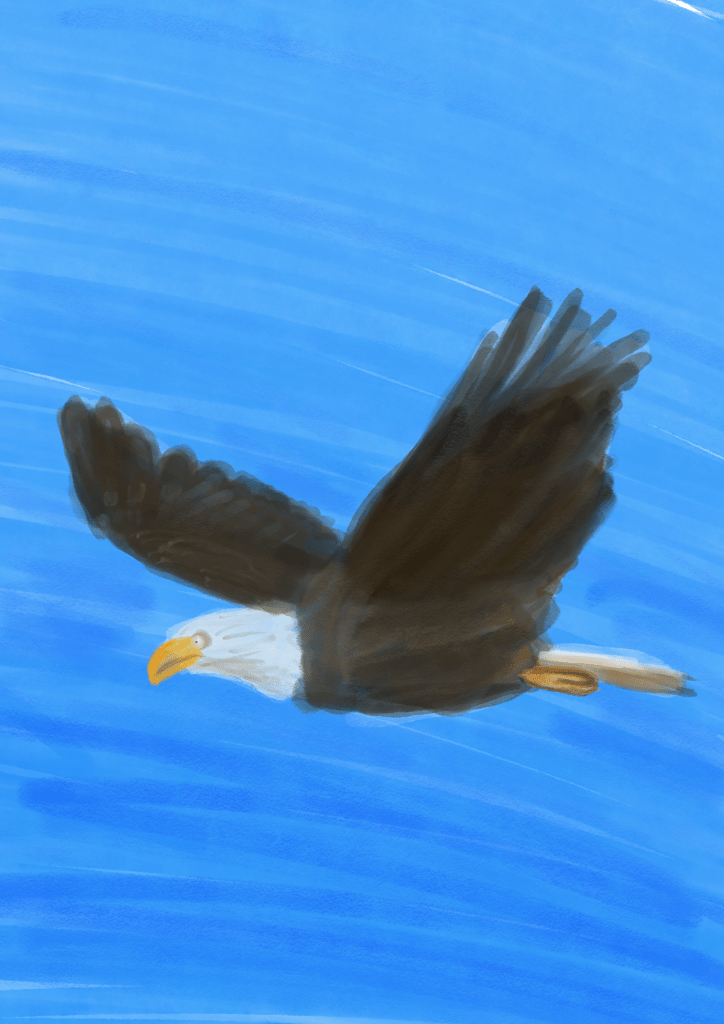
Illustration by Stephen Petto
Notable Bird Facts:
- There are currently 11,167 bird species as of October 31, 2025
- Best time for heron watching is 3 hours before and after low tide.
- Indian Peafowl (the Peacock) are used as farm sentry birds.
- A turkey’s big droopy nose is called a Snood.
- There’s a migration corridor in Veracruz, Mexico called “The River of Raptors”. Millions of birds of prey are funneled southward by the Gulf Coast. Some daily counts exceed a half million birds.
- There are Ruddy Turnstones in the Miami Connection.
- Nearly everything read in The Thing with Feathers.
Bird-related Media Consumed:
- LISTERS: A Glimpse Into Extreme Birdwatching [2025]
- New England: Spring 2025 – American Birding Association [2025]
- New England: Winter 2024–2025 – American Birding Association [2025]
- The Birdwatchers [2024]
- The Osprey by Tim Mackrill [2024]
- The Peregrine by J. A. Baker [1967]
- Actually read the preface by Mark Cocker
- The Private Life of the Gannets [1934]
- The Thing with Feathers: The Surprising Lives of Birds and What They Reveal About Being Human by Noah Strycker [2015]
- The Science of Birds podcast
- Weekly Bird Report podcast
- eBird, Merlin, talking to bird people, and tons of random articles and websites.
These Exist:
Incredulous for their name, image, and likeness
Groove-billed Ani (Crotophaga sulcirostris)

Photo by Suzie McCann / Macaulay Library – Texas, June 1, 2019
Mountain Quail (Oreortyx pictus)

Photo by Steve Rottenborn / Macaulay Library – California, December 31, 2012
Townsend’s Solitaire (Myadestes townsendi)

Photo by Tony Dvorak / Macaulay Library – Pennsylvania, December 7, 2020
White-breasted Waterhen (Amaurornis phoenicurus)

Photo by Simon Best / Macaulay Library – Thailand, May 20, 2018
Catalogus specierum
American Black Duck (Anas rubripes)
Lifer at the Lloyd Center, Dartmouth, Massachusetts, on November 29, 2025.
American Kestrel (Falco sparverius)
Lifer at Gooseberry Island, Westport, Massachusetts, on September 27, 2025. It took a while to identify because it had the sun concealing its color. It was quite small. Though, it was larger than the bat it was chasing along the shoreline. Eventually catching it with talons mid-air and took off.
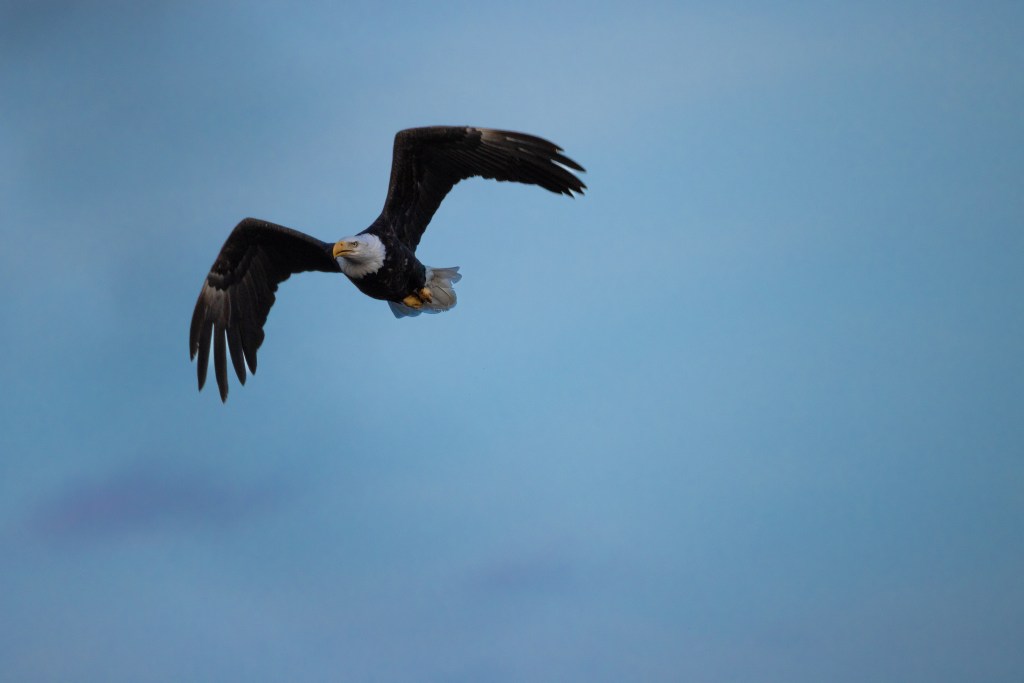
Bald Eagle (Haliaeetus leucocephalus)
Full Nonquitt Marsh Bald Eagles 2025 Report. The first Eagle of Fall 2025 was the evening of September 2. It glid in lazily and was harassed by 11 Osprey after it landed across from the Observation Deck. They had a good argument. BAEA09.
The Eagle eventually was swayed and decided to leave by seaward way. Two days after 9/11 a Bald Eagle went seaward but looped at the beach and flew roughly 30 feet above the Observation Deck. Then on September 15 an Eagle landed on the tree across from the Deck. BAEA10.
It was quickly divebombed and screamed at by an Osprey. The next day, September 16, Steve with his big camera caught an Eagle lazily flew through the Marsh, did a lap, and headed Northwest. Eventually came back and sat on the sunken log before heading Northwest again. BAEA11.
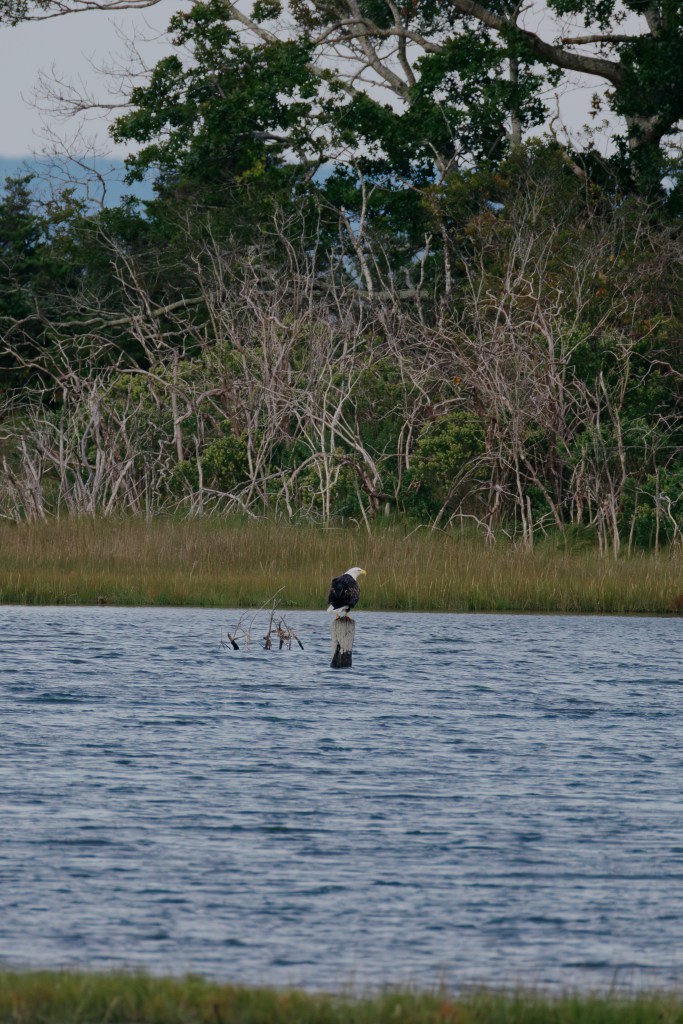
BAEA12.
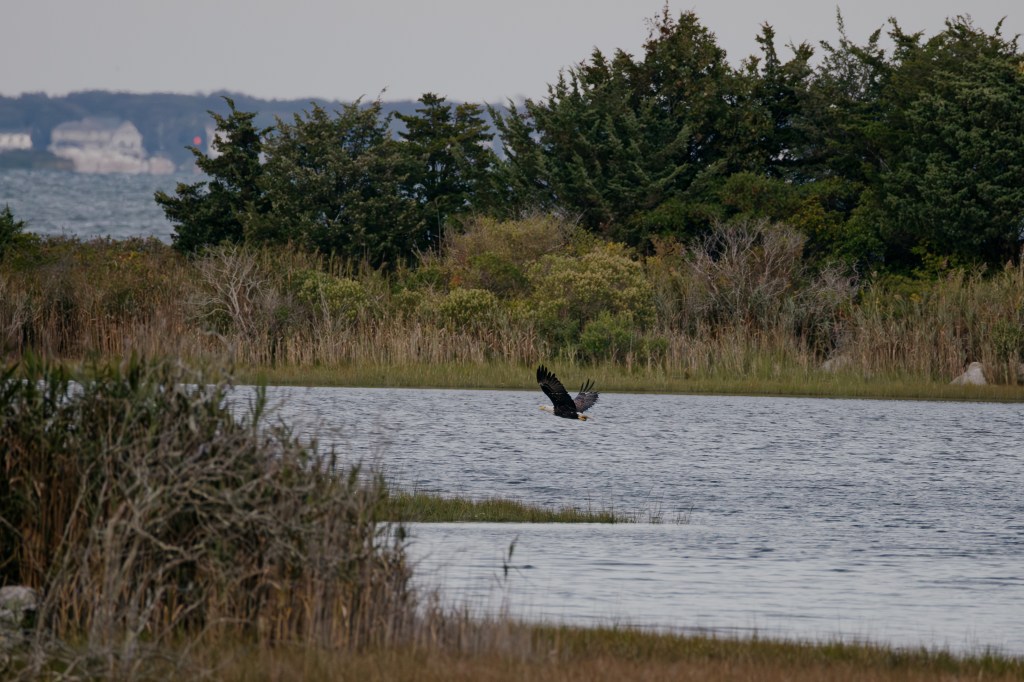
BAEA13.
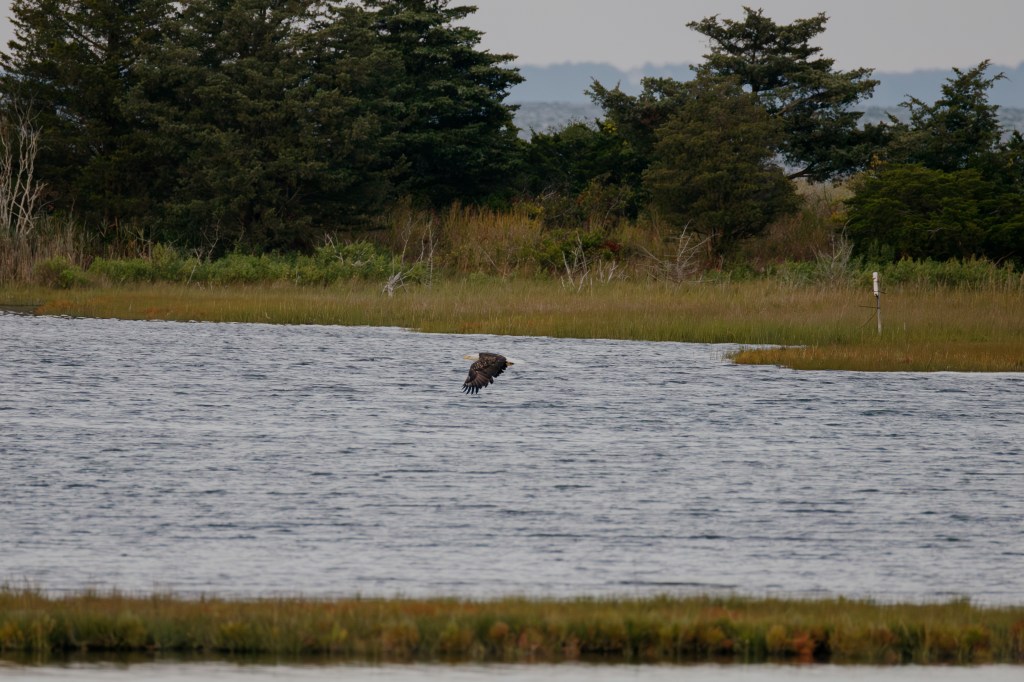
Saw an Eagle at the Marsh on September 18, a Second Year Juvenile Bald Eagle on September 21, and a mature Eagle on September 22. The final sighting of the Fall was finally seeing both Eagles at once on October 11 at 5:20pm. When Steve and I arrived, one Bald Eagle was on Osprey nestpole. Another Eagle flew in from South, kept going North before eventually coming back to sit on a sunken rock near her mate. Both took off together and flew at the Observation Deck. Some incredible photos taken by Steve. BAEA14.
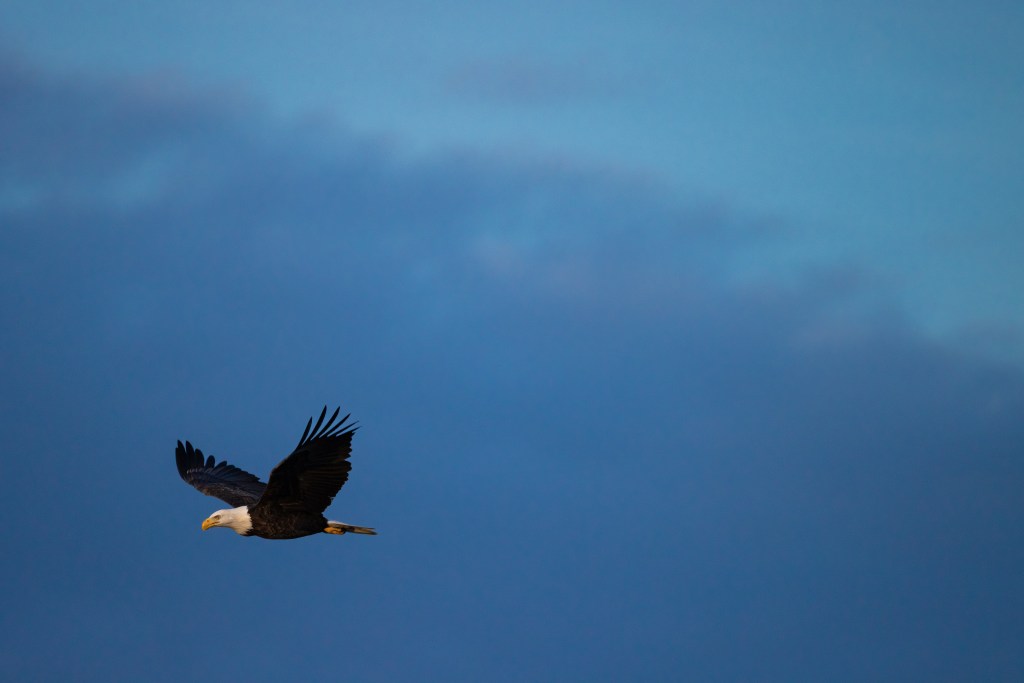
BAEA15.
Black-bellied Plover (Pluvialis squatarola)
Lifer at the Marsh, Dartmouth, Massachusetts, on September 6, 2025, but an absolutely stunning shot of a juvenile by Steve at Gooseberry Island, Westport, Massachusetts on September 28, 2025. BBPL01.
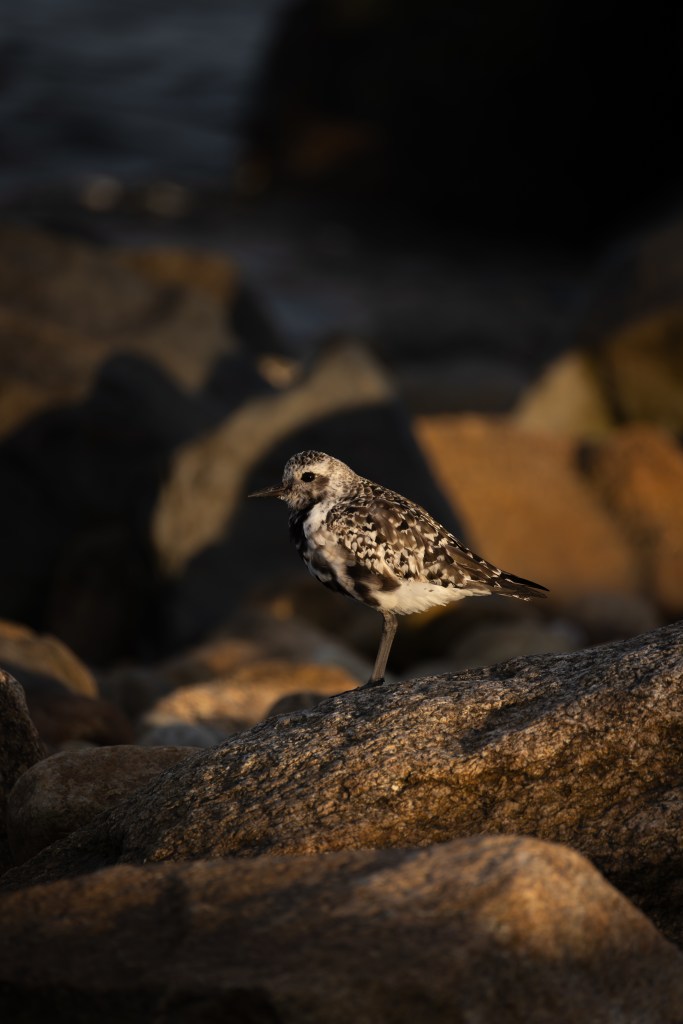
Then on September 28, 2025, at the Marsh, Dartmouth, Massachusetts, observed a splish splash taking a bath. BBPL02.
Cackling Goose (Branta hutchinsii)
Lifer at Buttonwood Park, New Bedford, Massachusetts, on November 30, 2025.
Common Raven (Corvus corax)
Lifer at the Marsh, Dartmouth, Massachusetts, on September 12, 2025.
Common Tern (Sterna hirundo)
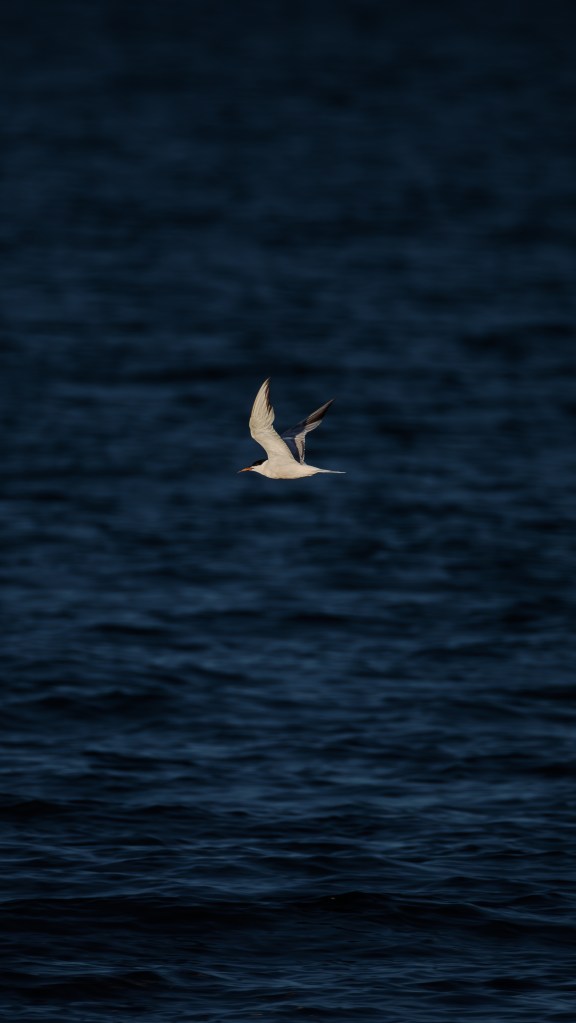
A great shot [COTE01] by Steve on September 8, 2025, at Gooseberry Island, Westport, Massachusetts.
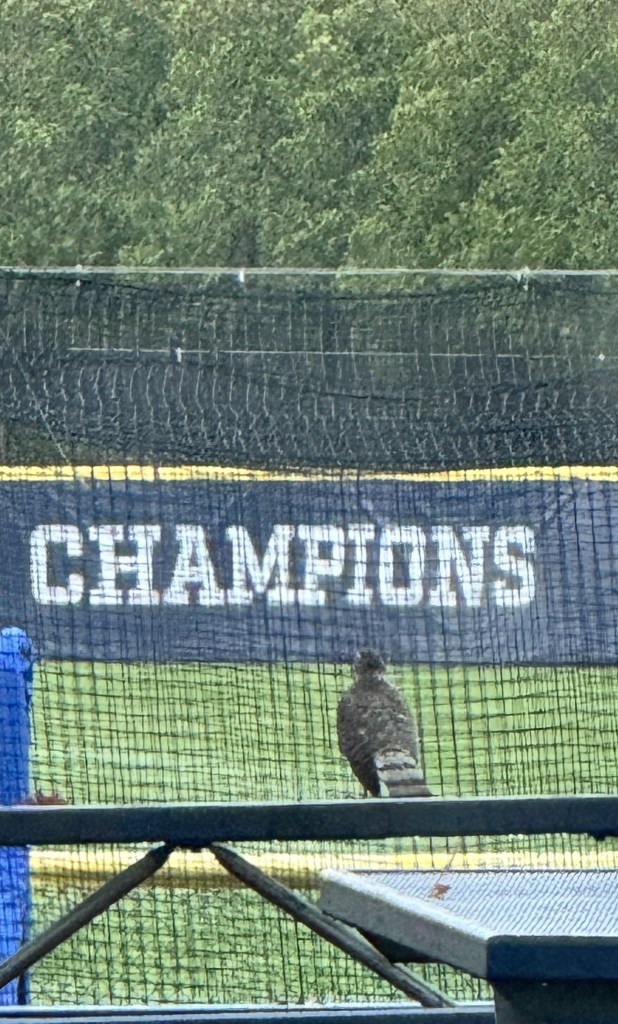
Cooper’s Hawk (Astur cooperii)
A nice shot from behind at the home of Champions, UMass Dartmouth, Massachusetts on October 30, 2025. COHA02.
Double-crested Cormorant (Nannopterum auritum)
In the late fall, Double-crested Cormorants dominate our shorelines. Photos by Steve at Gooseberry on September 8, 2025. DCCO01.
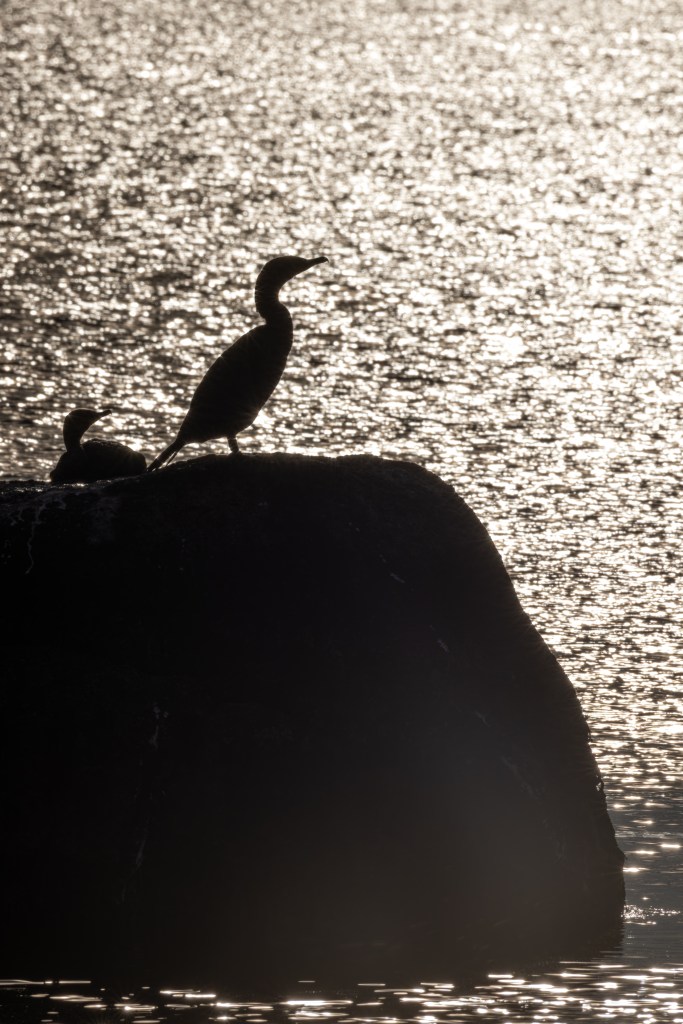
DCCO02.
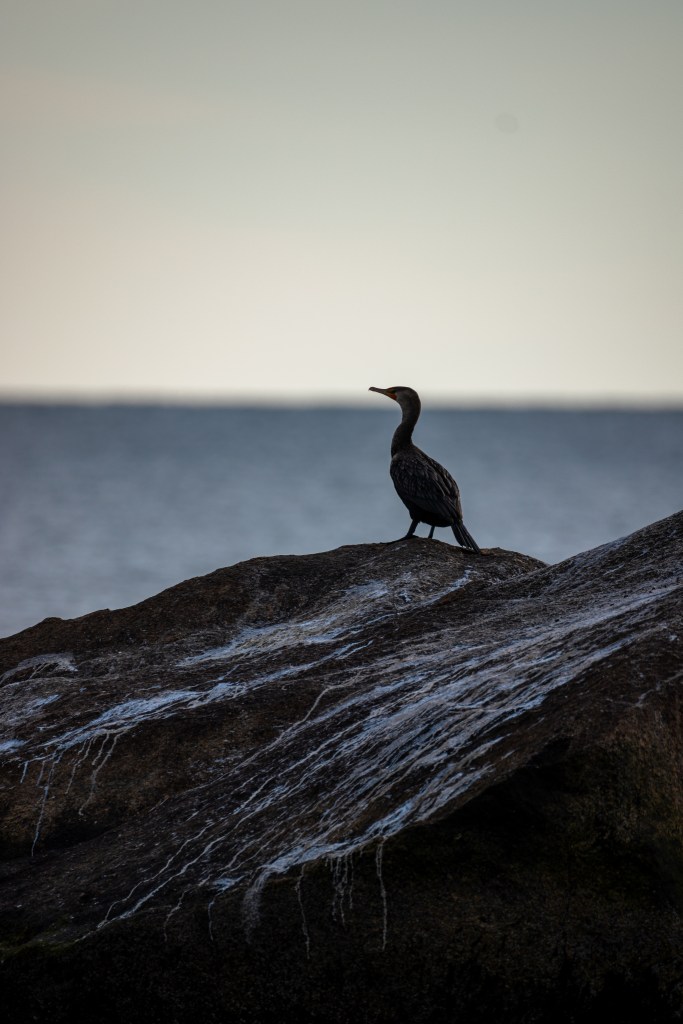
DCCO03.
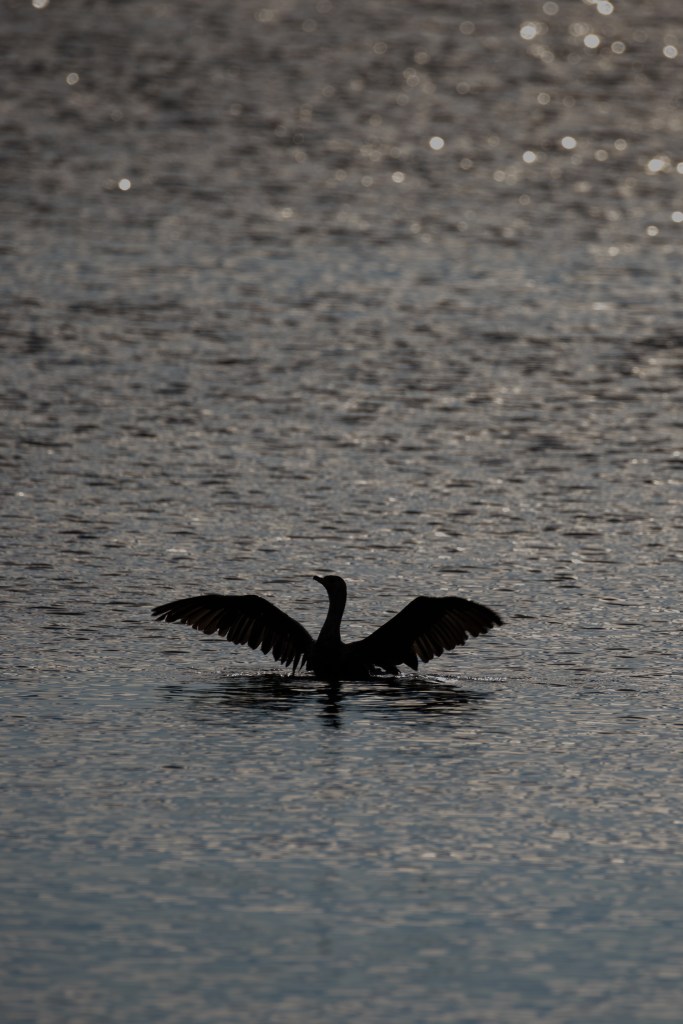
Found a small feeding frenzy with Cormorants and many types of gulls including Laughing Gulls (Leucophaeus atricilla) at Sachuest Point National Wildlife Refuge in Middletown, Rhode Island on October 10, 2025. DCCO04.
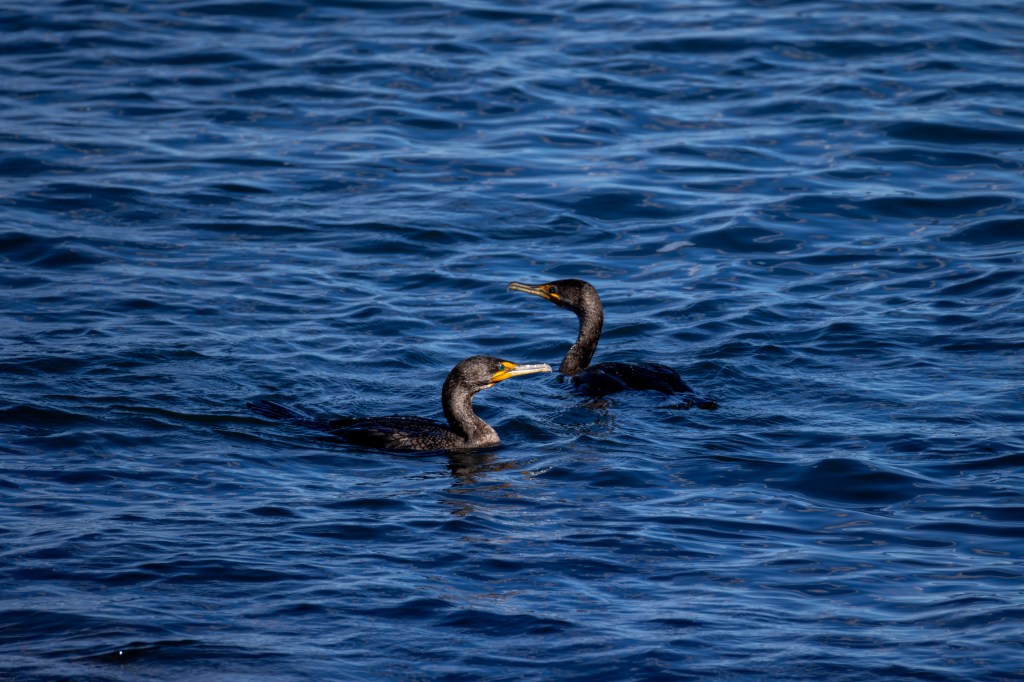
DCCO05.
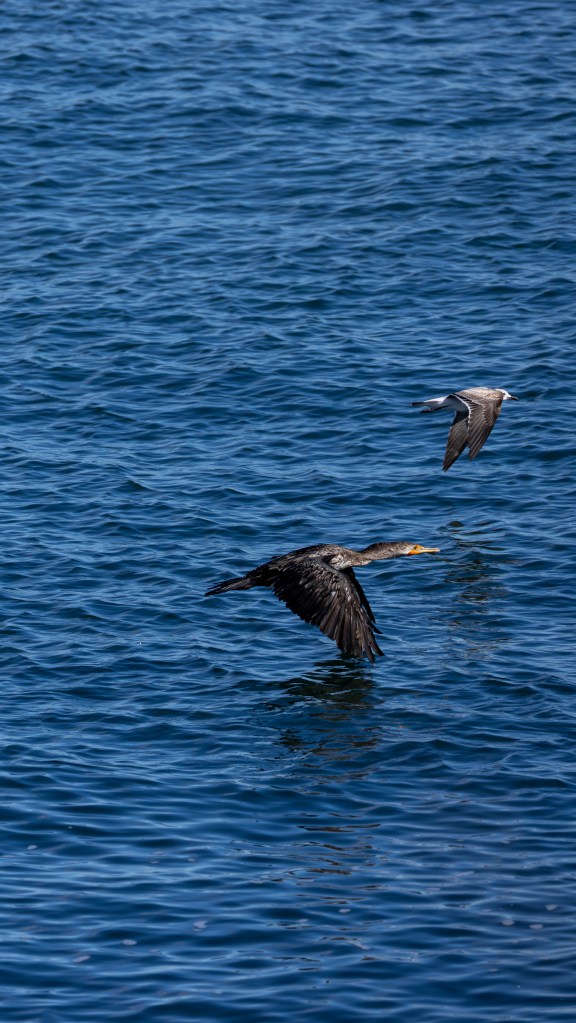
DCCO06.
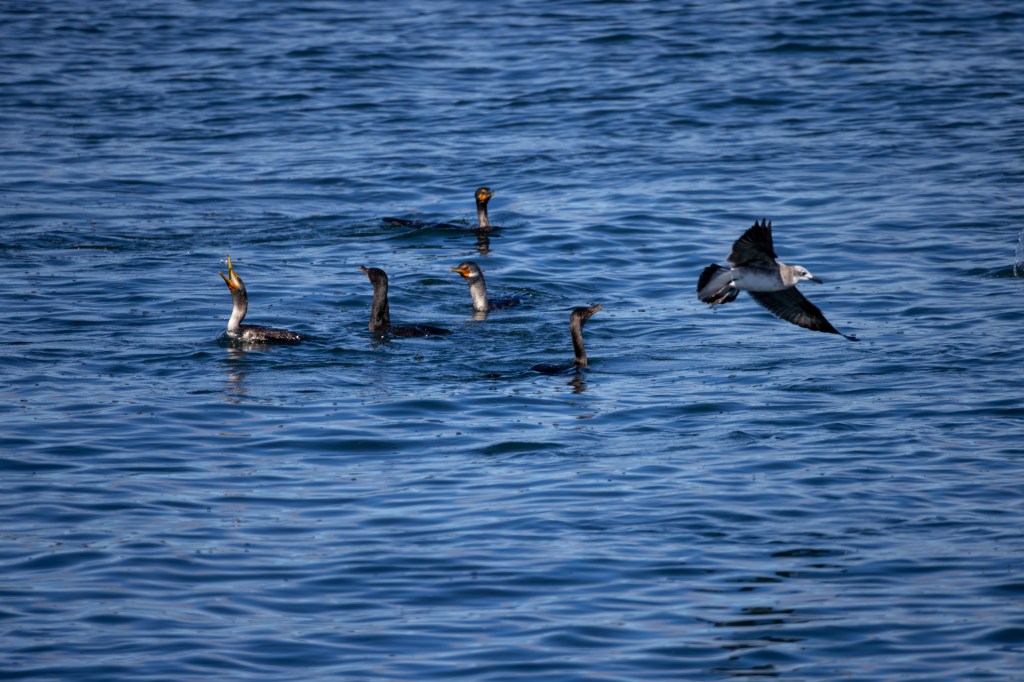
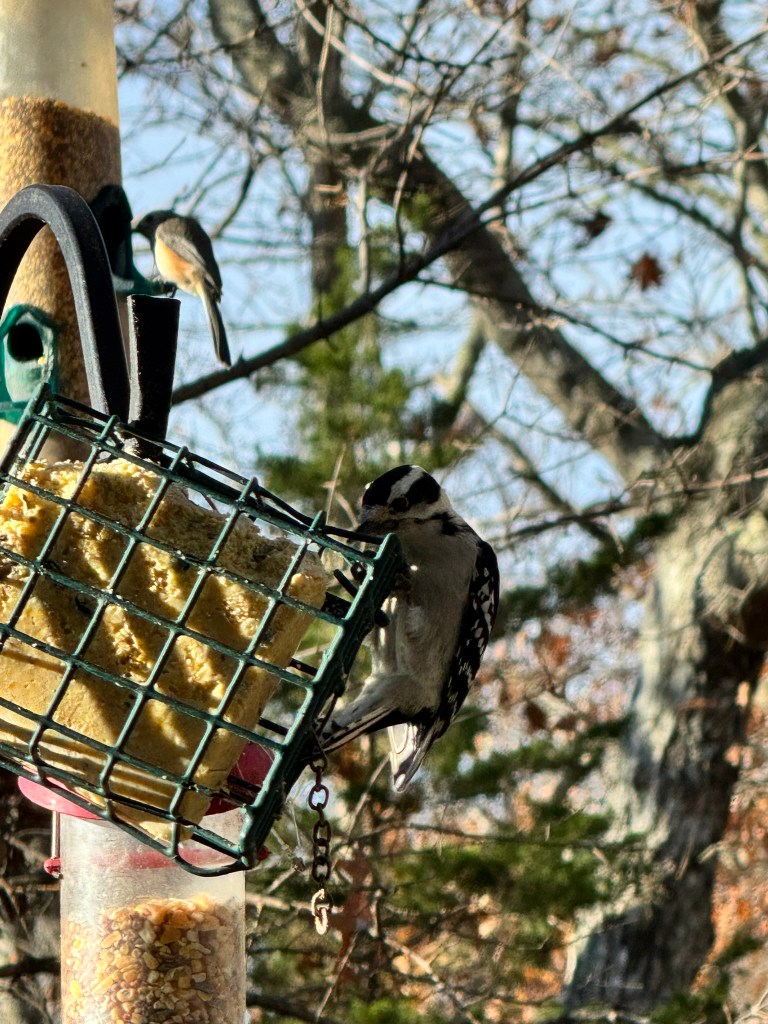
Downy Woodpecker (Picoides pubescens)
Photo [DOWO01] at the Lloyd Center, Dartmouth, Massachusetts.
Dunlin (Calidris alpina)
These long billed hunks were braving the cold alongside some puffy Sanderling (Calidris alba). DUNL01.
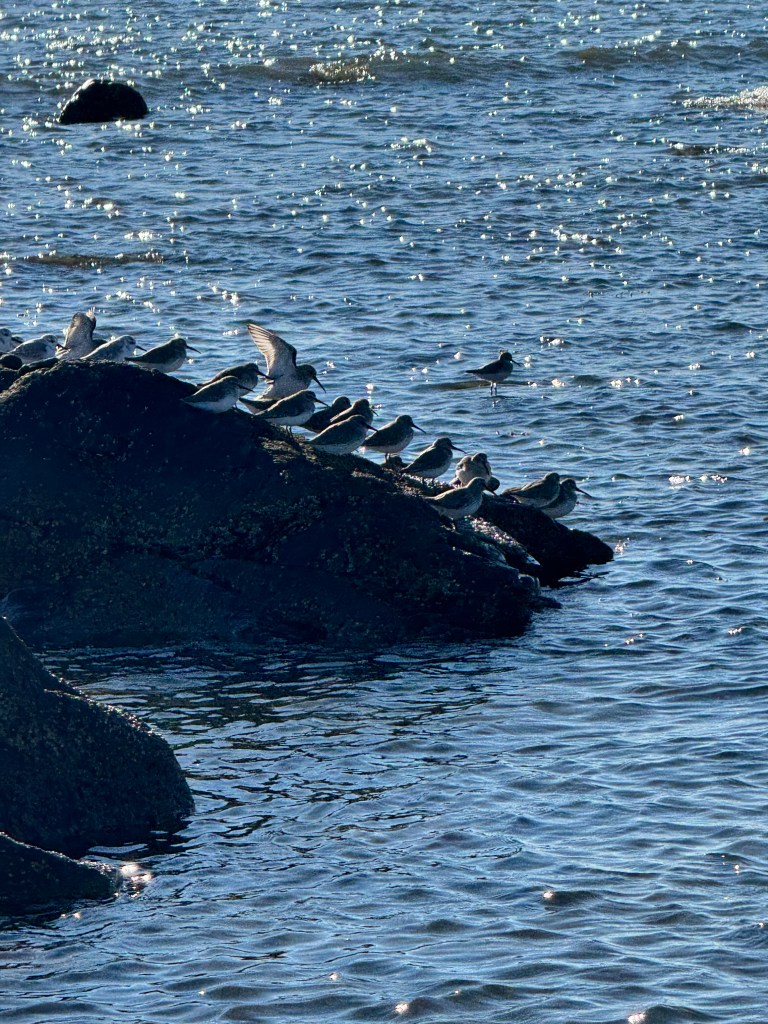
DUNL02.
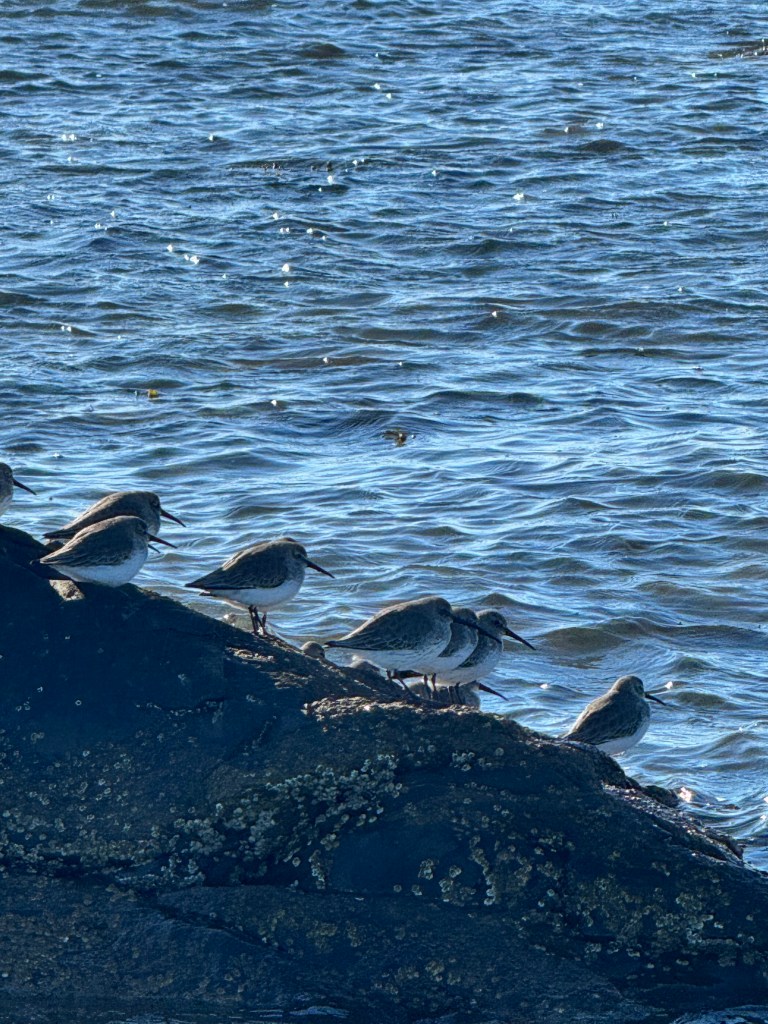
Great Blue Heron (Ardea herodias)
Nice landing by a trio at the Marsh on September 30, 2025. GBHE05.
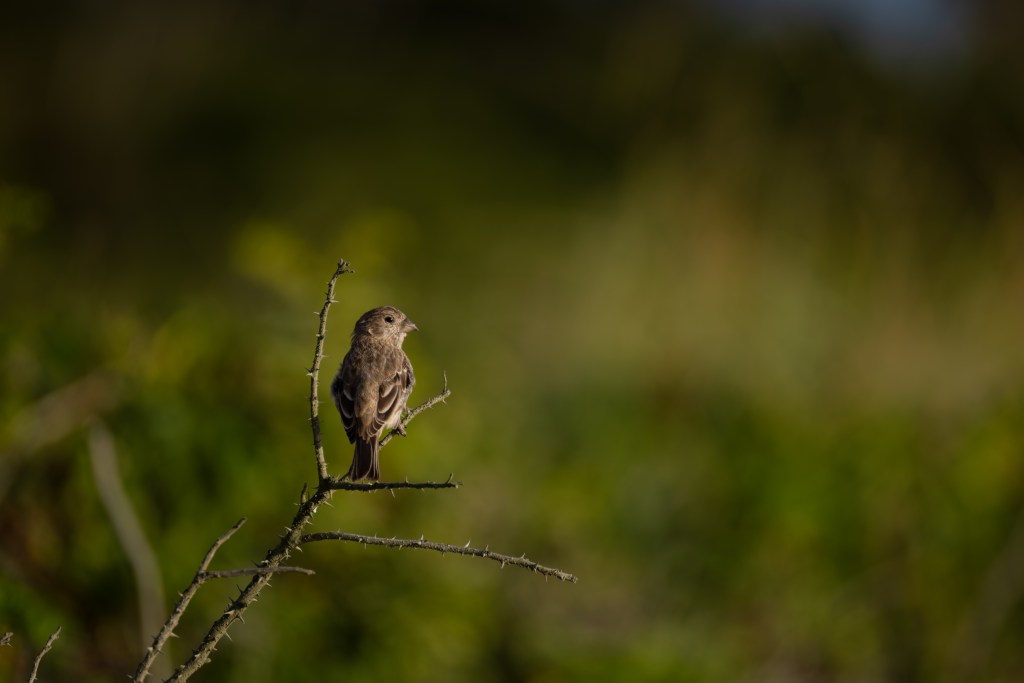
House Finch (Haemorhous mexicanus)
Great photo by Steve of a female finch at Gooseberry on September 8, 2025. HOFI03.
Mallard (Anas platyrhynchos)
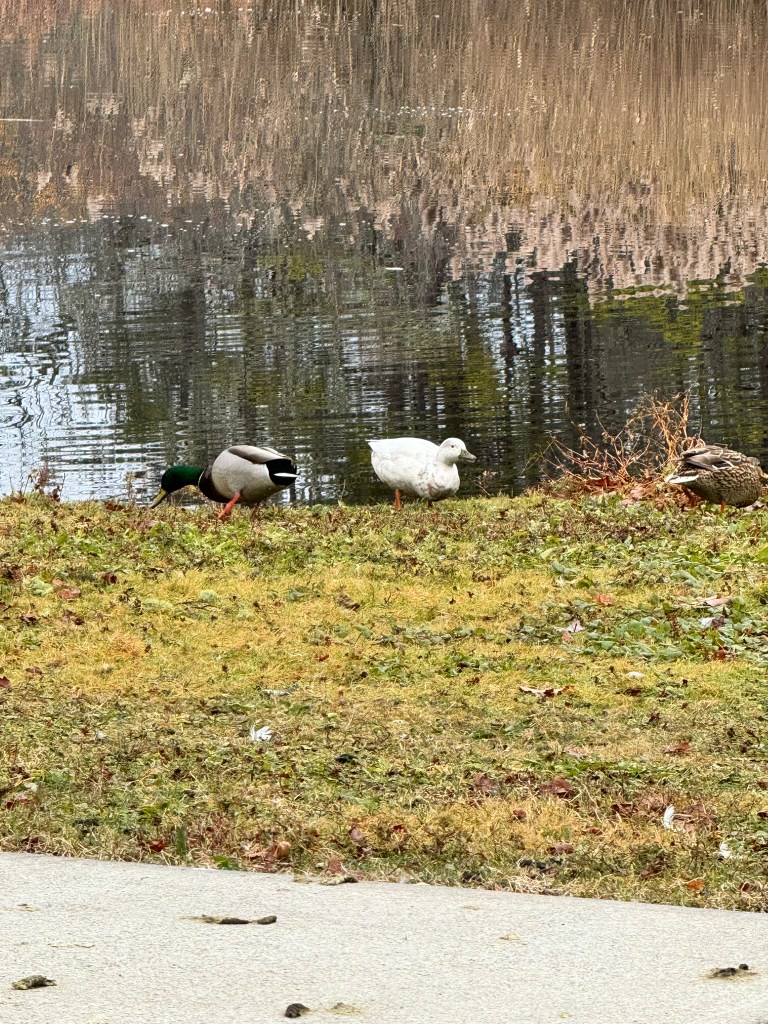
What is apparently a domesticated Mallard hanging with a group of mallards in a small pond at UMass Dartmouth on November 24, and again on November 25, 2025. MALL01.
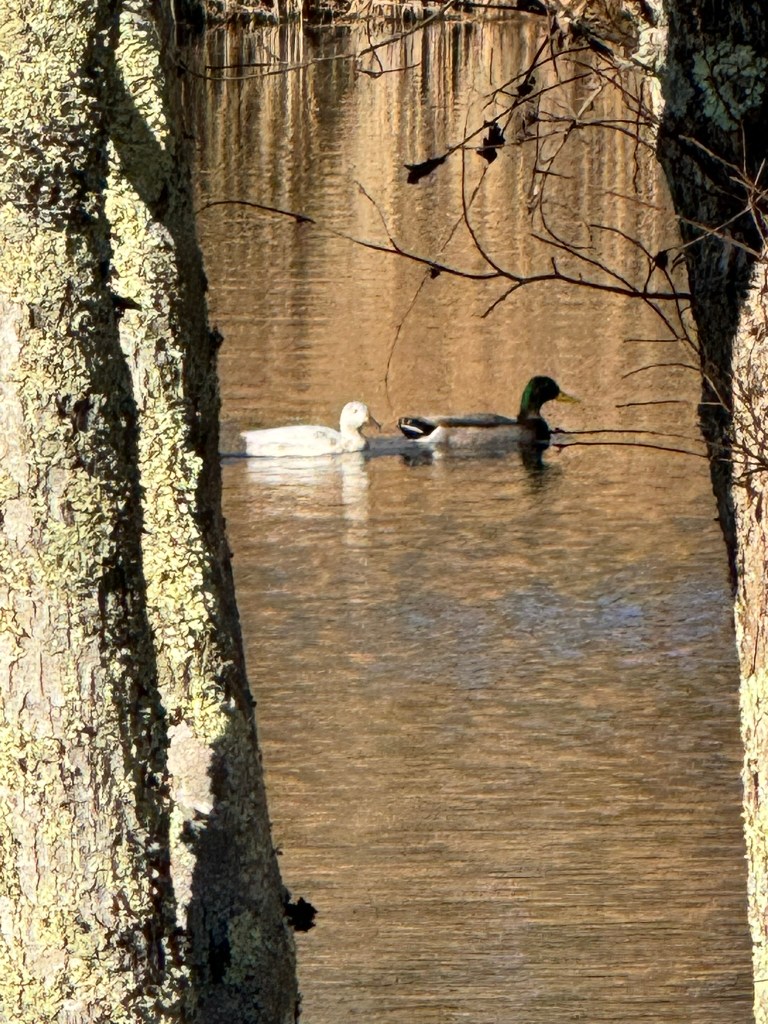
MALL02.
Northern Harrier (Circus hudsonius)
A bird that every so often literally pops up from the grass at the Marsh. Video [NOHA01] of one zooming across the Observation Deck on September 15, 2025.
At Sachuest on September 15, 2205, Steve got one circling overhead for quite a while. NOHA02.
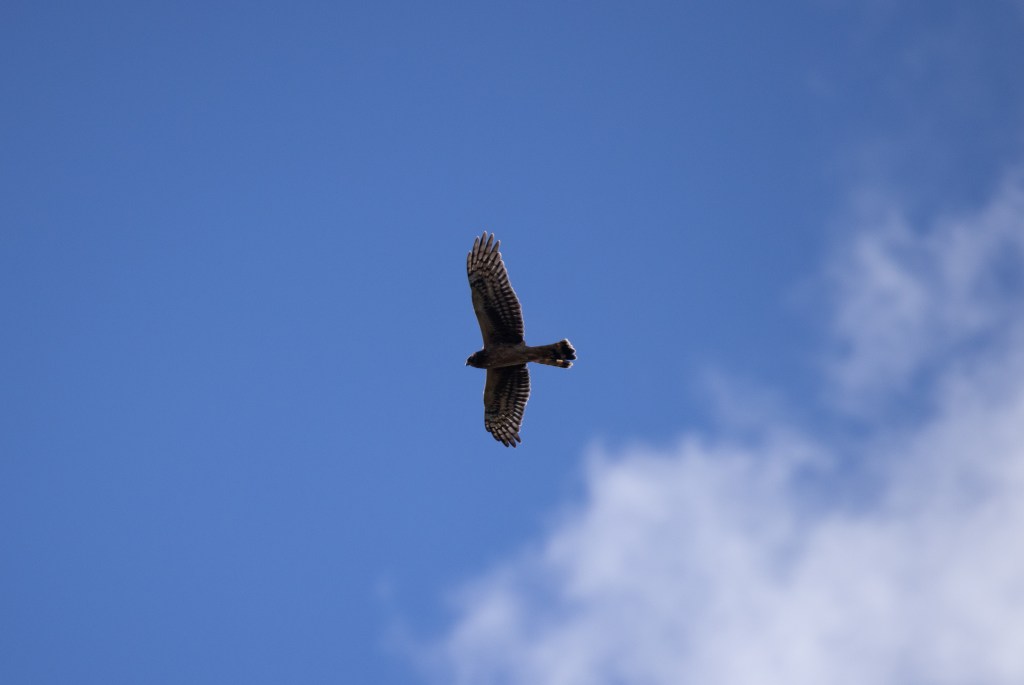
Once again, Steve and I went out, this time to Ocean View Farm Reserve in Dartmouth, Massachusetts on the last day of Fall. I’d been before and saw a very active Northern Harrier. Thankfully she was back and Steve got some great shots. NOHA03.
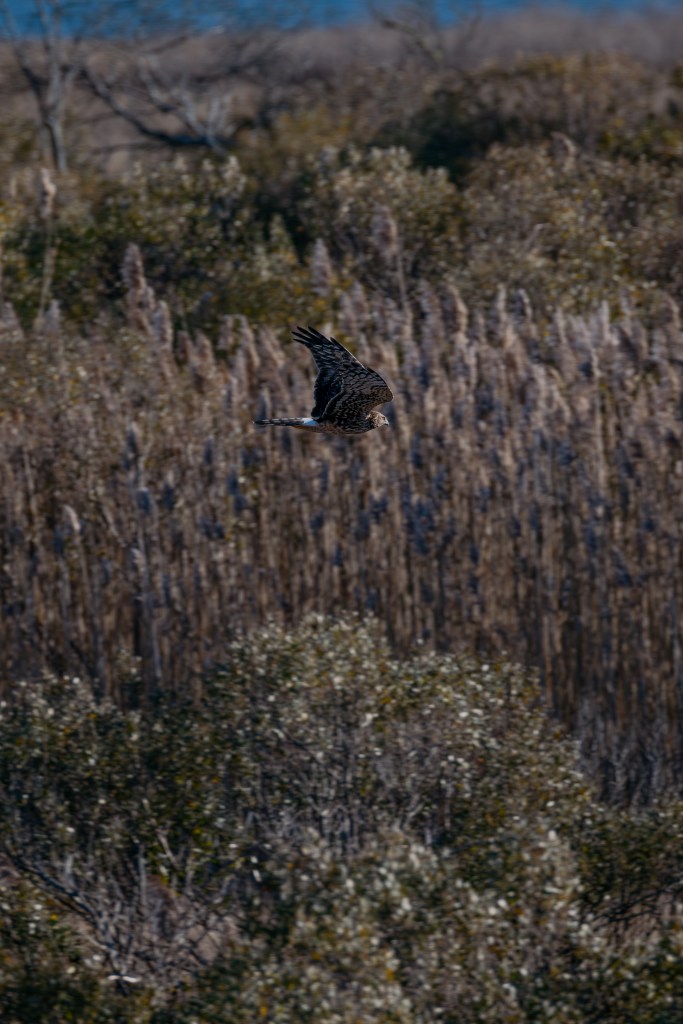
NOHA04.
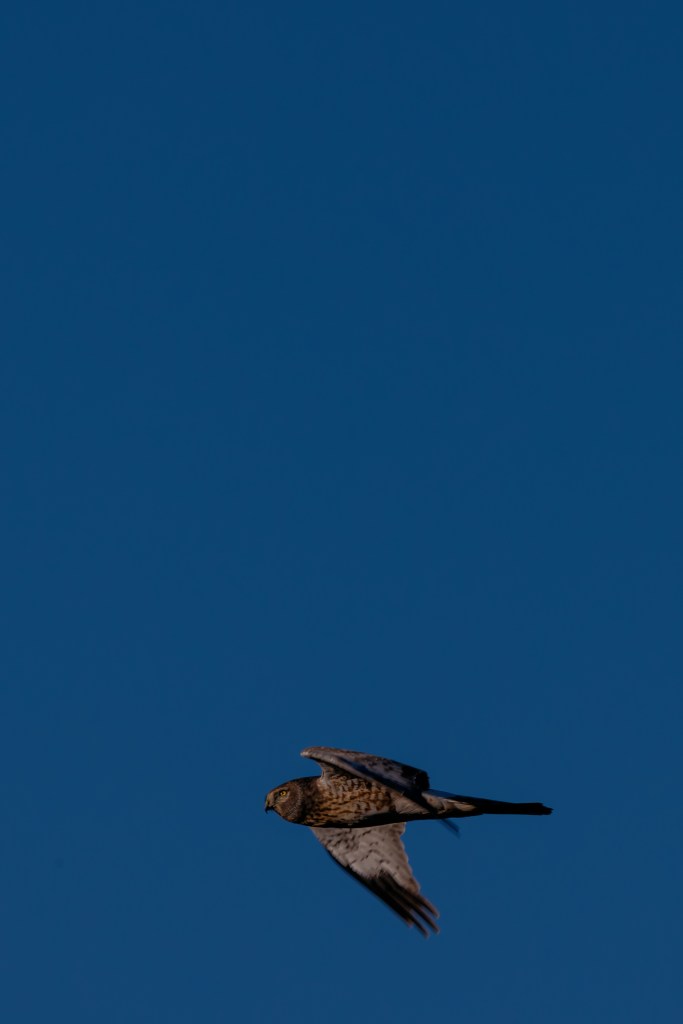
NOHA05.
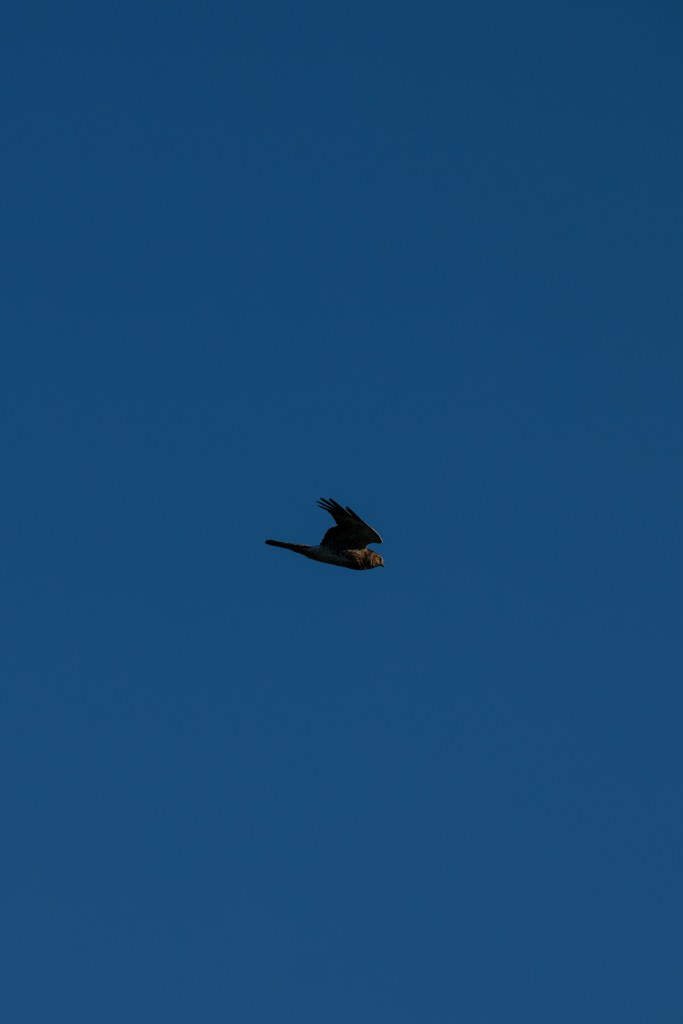
Osprey (Pandion haliaetus)
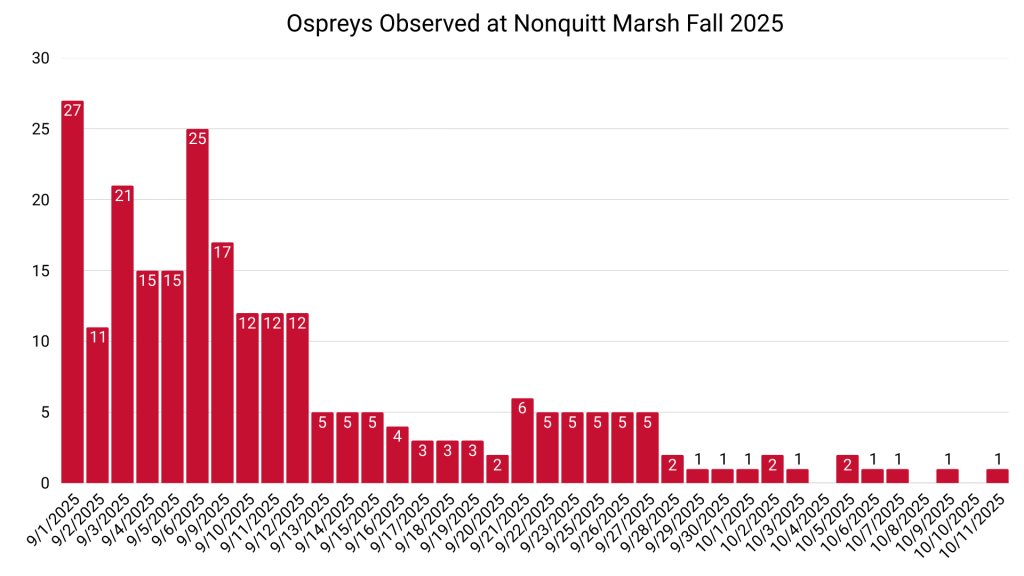
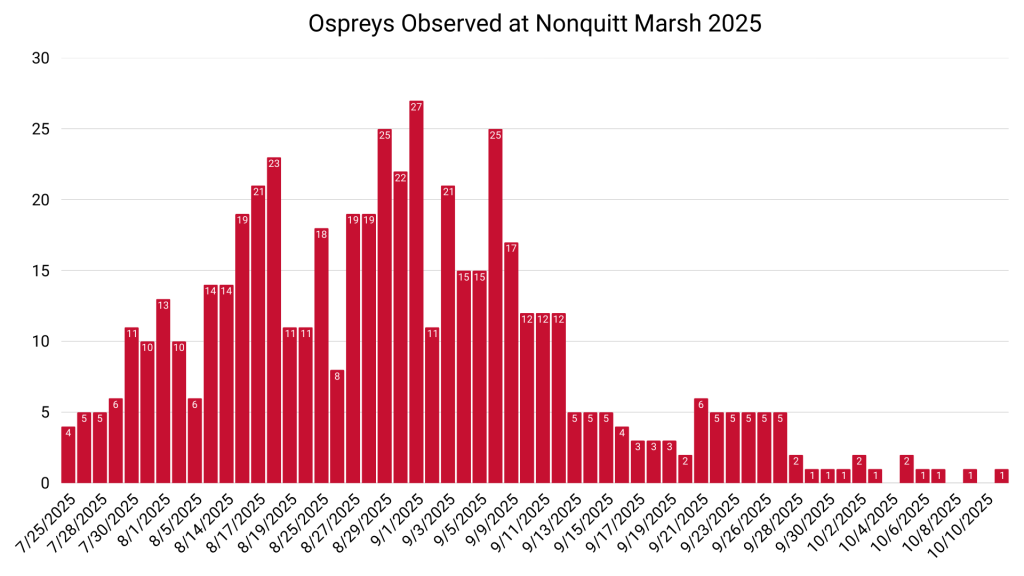
Full Nonquitt Marsh Ospreys 2025 Report. September. September 1. Fall began with a bang. Twenty-seven Osprey. A 2025 record. There was non-stop circling and calling. Very active. On the evening of September 2, a Bald Eagle glided in lazily, and 11 Osprey took to the air, screaming. Two even dive-bombed the Eagle after it landed. Their argument heard. BAEA09.
September 3 brought 21 Osprey, a bird that frequently shifts their perches. Perhaps they’re so shifty because they can be ambushed by Common Ravens and more often, American Crows. OSPR08.
On September 6, 25 Ospreys were active, some carrying very large fish. Ospreys seem like relatively efficient hunters because they’re always carrying or standing on top of fish. A 2010 study, “Fishing behaviour of the Osprey Pandion haliaetus in an estuary in the northern Iberian Peninsula during autumn migration”, by Aitor Galarza, looked at “The fishing behaviour of the Osprey Pandion haliaetus in an estuary in the northern Iberian Peninsula during autumn stopover is described. All prey consisted of fish of the family Mugilidae (grey mullets) and overall fishing events lasted on average 6.3 min with a 68.8 % success rate (n = 61 fishing events). Adults were better fishers (92% of success) than young birds (40%). The occurrence of fishing events was independent of tidal period or tidal direction. However, fishing success was higher when the tide was rising.”
It’s a great looking bird. OSPR09.
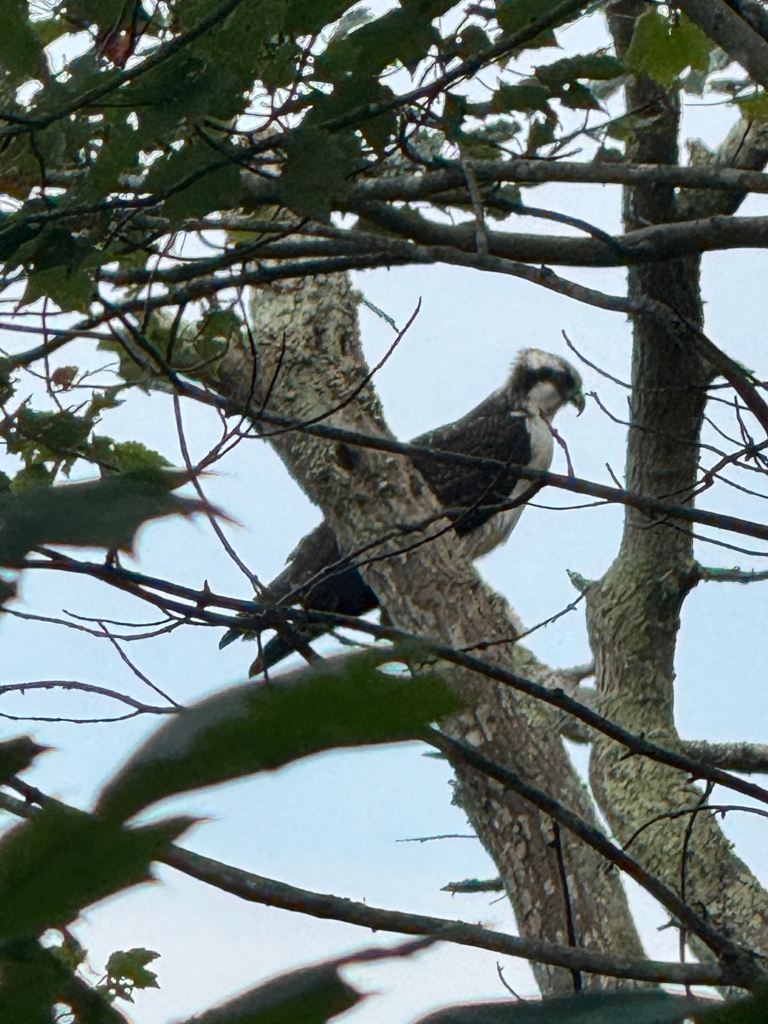
The mass exodus really took place during the weekend of September 12. OSPR10.
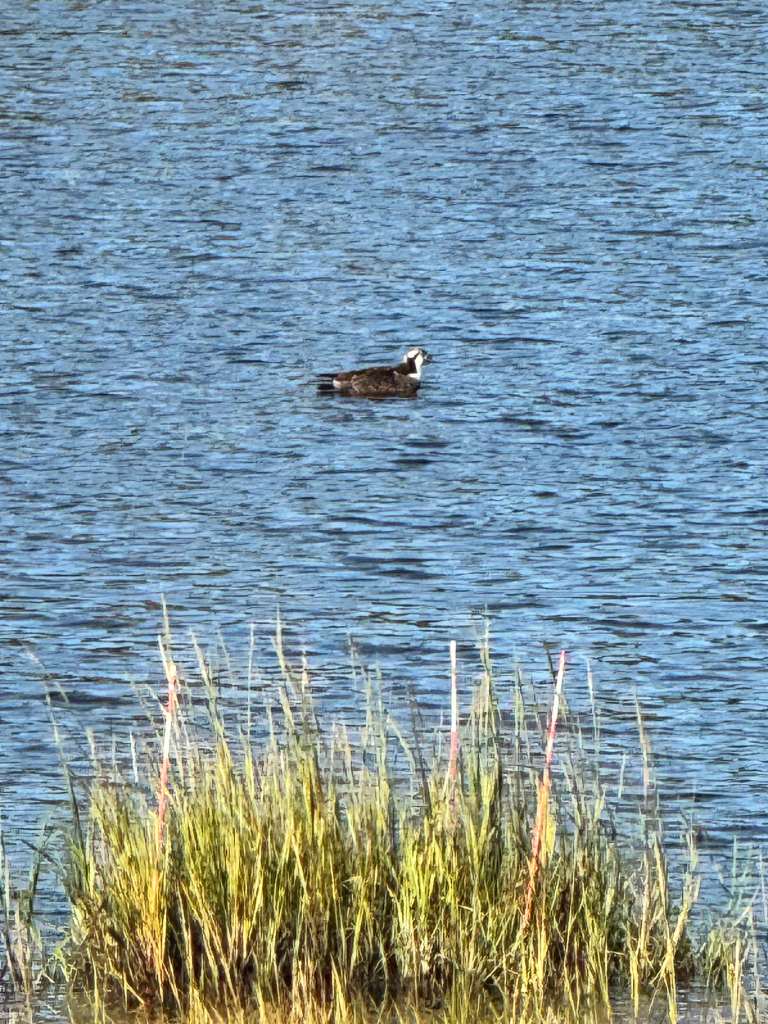
While many winged southward, a few, presumably timid youths, stuck around. Some even went for a float. OSPR11.
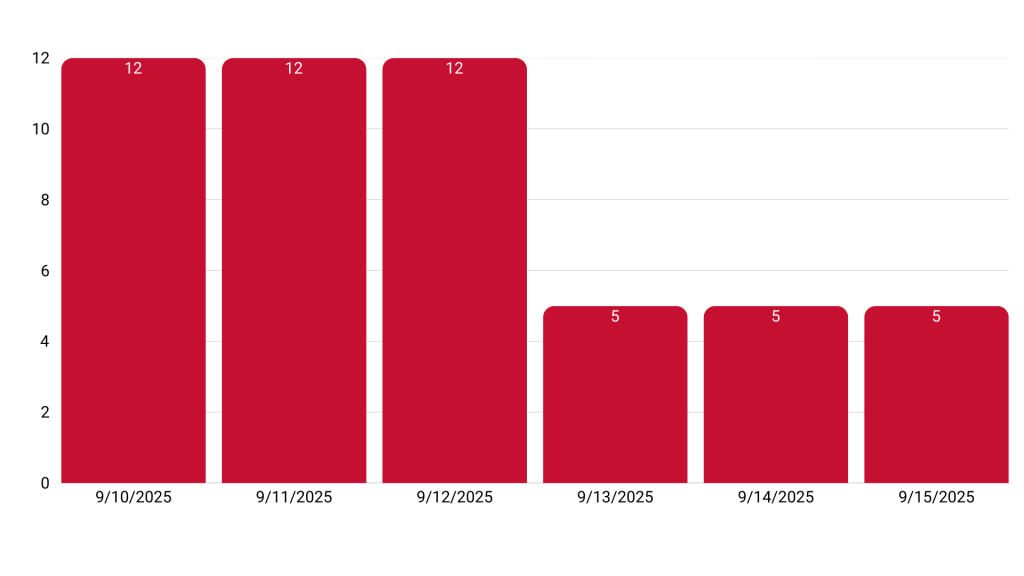
On September 15, a Bald Eagle arrived and was immediately chased, dive-bombed, and screamed at by one of the 5 Osprey present—an intense, brief confrontation. There’s a noncommittal nature to Osprey Eagle in-flight interactions. They maintain a distance that’s close enough to be serious but not close enough to spark violence.
The gathering of the Nonquitt Marsh Osprey enters its drawn-out ending. Each day, there are a few fewer Osprey. Sometimes the Marsh can be very quiet, but on days with little wind, it can be quite noisy. Noisiest species, in no particular order other than the fact they’re all tied for first place for being annoying, are catbirds, willets, red-winged blackbirds, yellow legs of either leg length variety, but never Osprey. They’re all quite vocal, but it never grates.
On October 11, the last day I kept notes, there was one cold, lonely Osprey lingering. Go south, youngling.
The fall contains a massive gathering of Ospreys. Once they’re fledged and with so much good fish around, they really enjoy hanging out and socializing. With migration about over, their loud calls will be missed. The ones that shrillly introduced themselves to their compatriots as they glid into the Marsh off a sea breeze. They truly are a joy to watch. OSPR12.
Until the spring. Can’t come soon enough. OSPR13.
Red-shouldered Hawk (Buteo lineatus)
Sat down at Birdfeeder Bench at the Lloyd Center and within the first 50 seconds recognized the familiar patrons gorging themselves on the large collection of feeders resupplied each morning. Tufted Titmice, Black-capped Chickadees, Blue Jays, and White-breasted Nuthatches. But at second 51, out of nowhere a Red-shouldered Hawk attacked a bird in the bush/tree nearby, at eye line. And yet, somehow managed to not see the kill and she took off. When humans arrive, the birds quickly scatter but just as quickly re-appear to eat. Small wonder if she used my presence as a distraction. Thankfully captured it on Merlin so you can at least hear it. RSHA01.
Ring-billed Gull (Larus delawarensis)
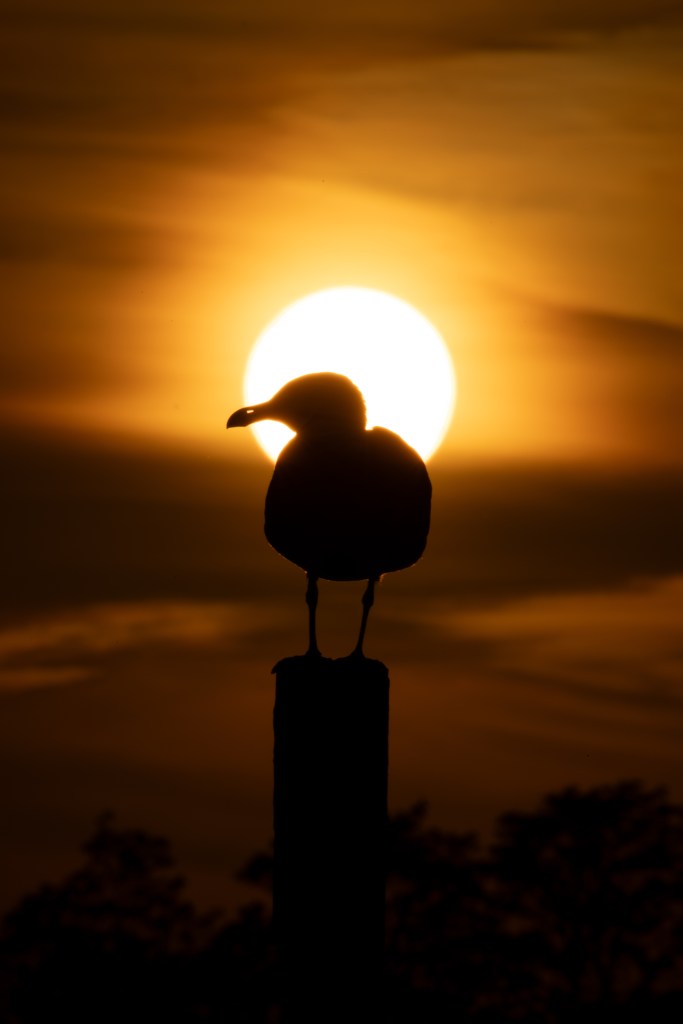
Steve is good at taking pictures. Allen’s Pond in Westport, Massachusetts, on October 4, 2025. RBGU02.
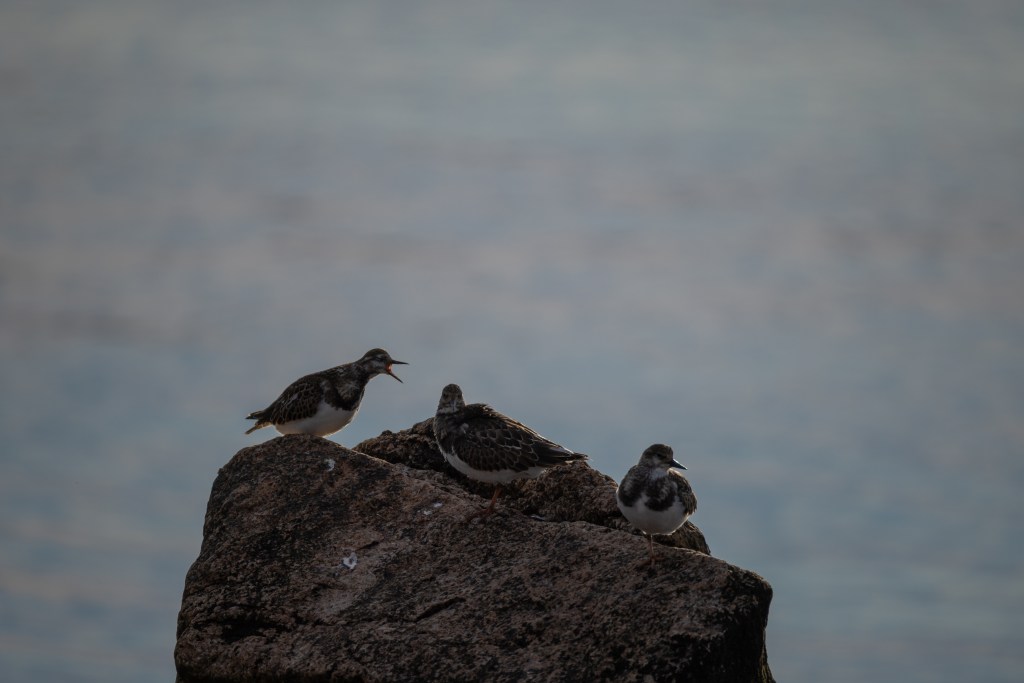
Ruddy Turnstone (Arenaria interpres)
Lifer at Gooseberry Island, Westport, Massachusetts, on September 8, 2025. Photos by Steve at Gooseberry, on September 8, 2025. RUTU01.
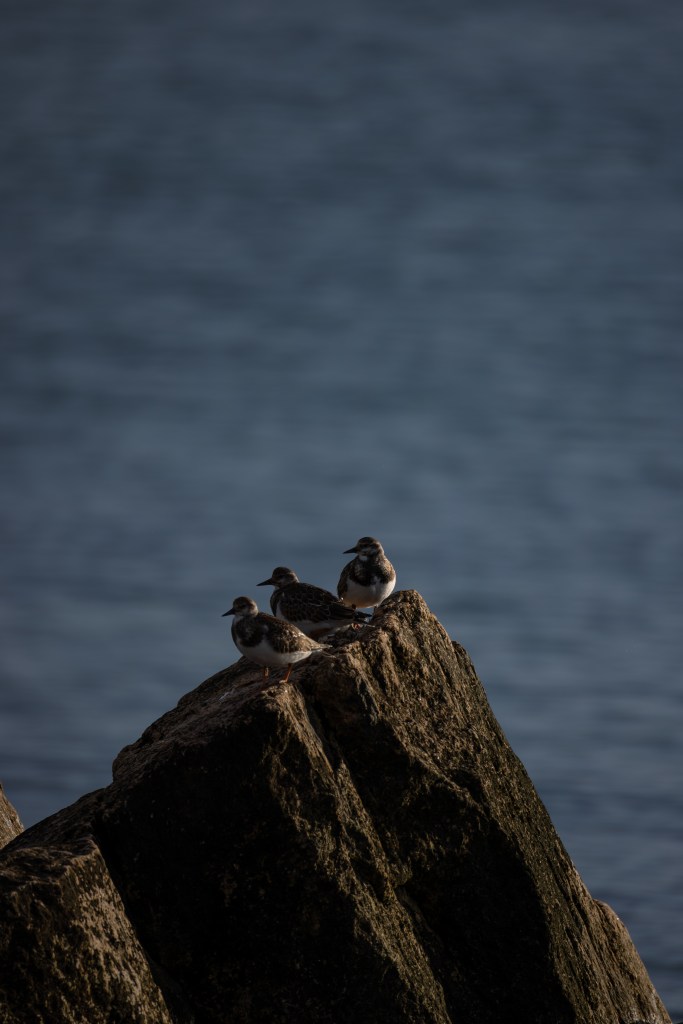
Yelling at the homies. RUTU02.
Sanderling (Calidris alba)
Much smaller than expected. Lifer at Allen’s Pond, Westport, Massachusetts, on October 4, 2025.
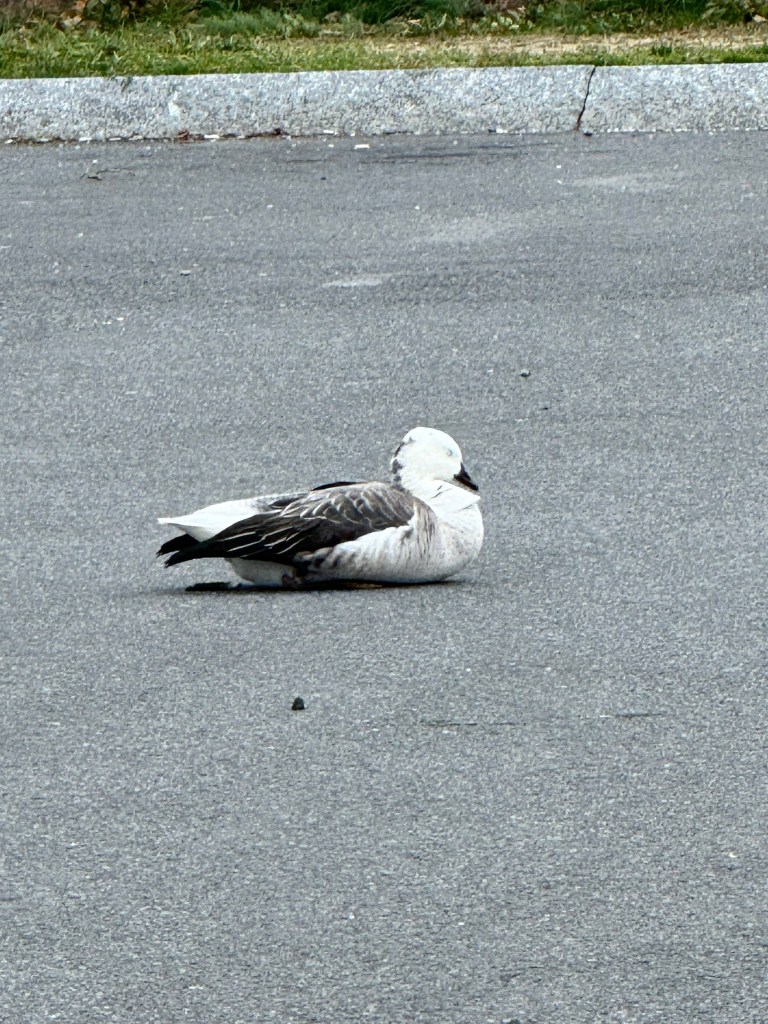
Snow Goose x Brant Hybrid
Finally went on a wild goose chase with Ashley Ruderman-Looff and found the famous hybrid waiting in the parking lot at Fort Phoenix, Fairhaven, Massachusetts, on November 11, 2025. SNxBR01.
Ashley got a better shot of her with her Brant squad. SNxBR02.
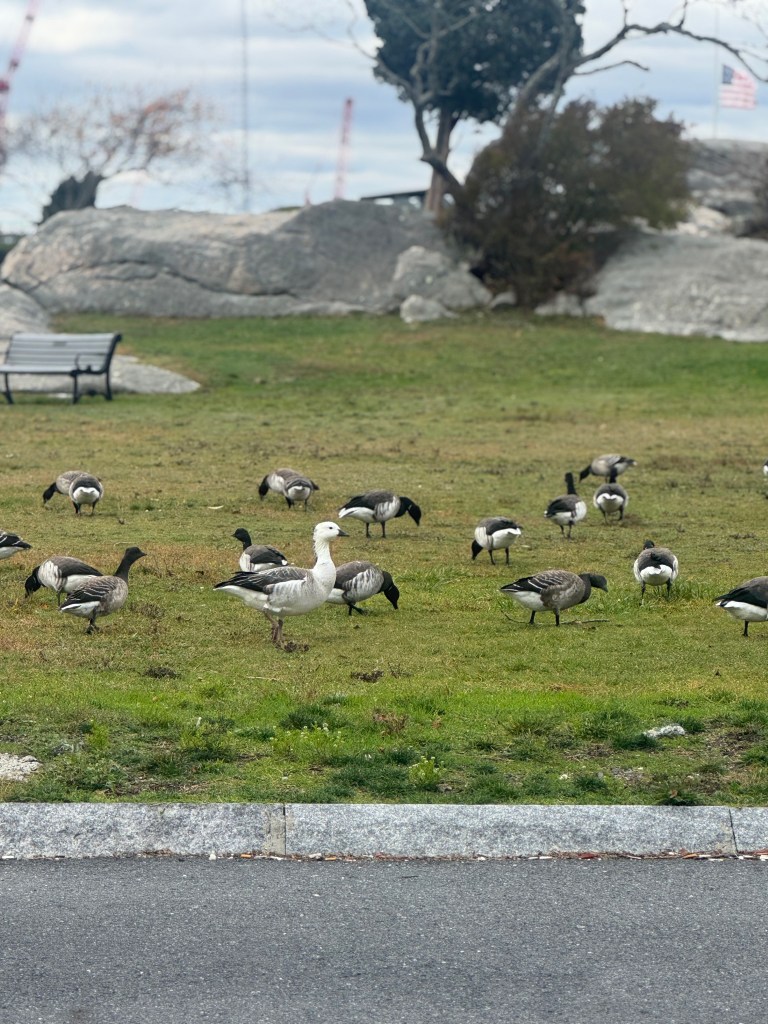
According to Lauren Miller-Donnelly on eBird, “Well documented bird. Third year. Vocalizing and sounds different than the Brant.” From the Paskamansett Bird Club on eBird, “*Rare. Well documented hybrid. Third year it has been seen here, arriving in early November and leaving in early spring. Associating with the Brant flock.” From Lily Meorello on eBird, “***Very rare hybrid; continuing here for its third winter. Born summer 2023. Molt progression and other info.”
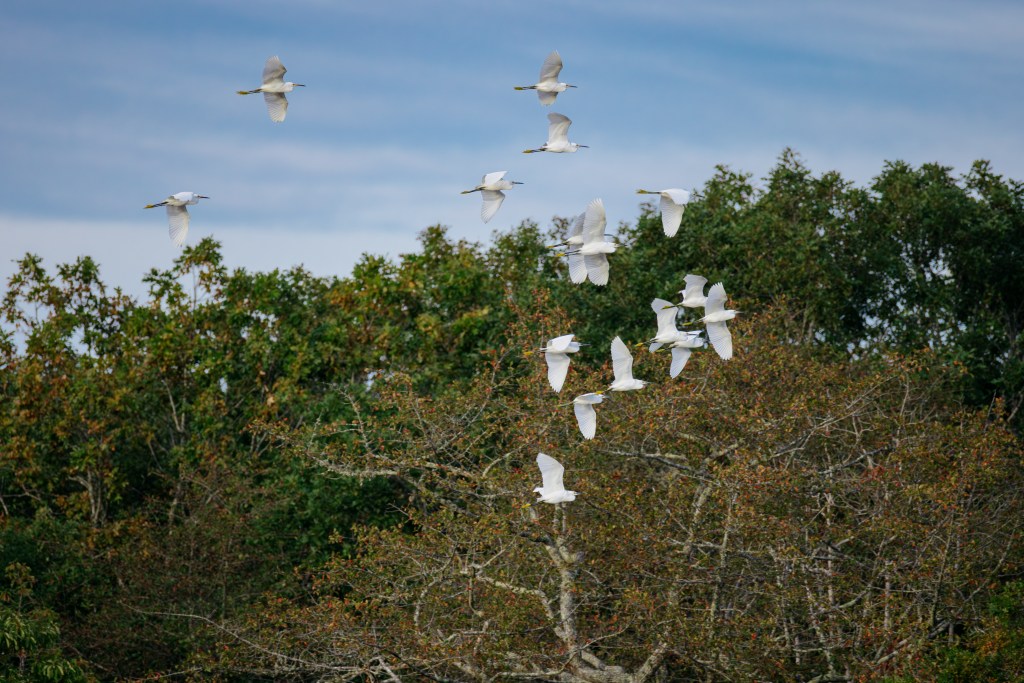
Snowy Egret (Egretta thula)
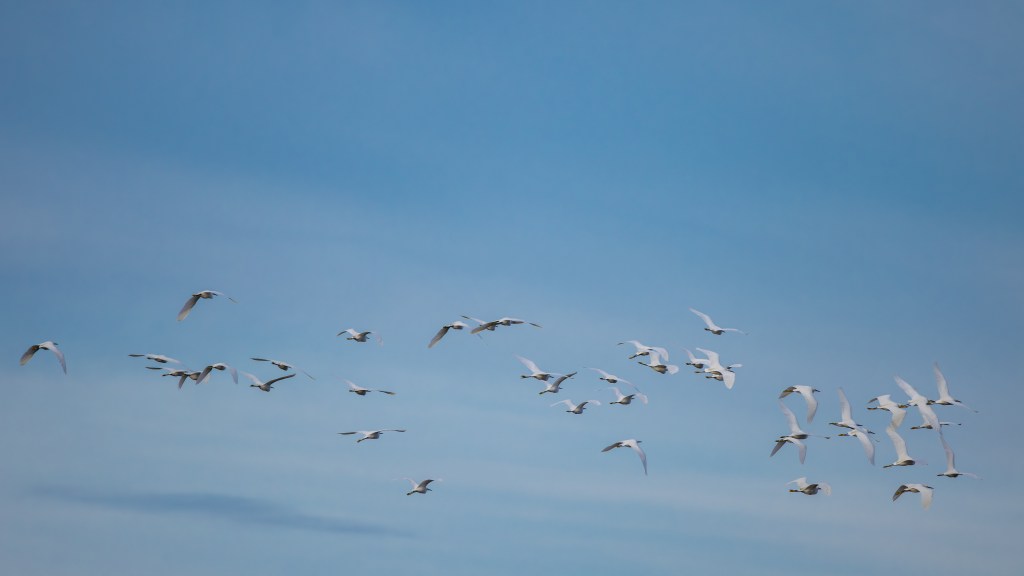
Often see Snowy Egrets and Great Egrets (Ardea alba) mixed together. But this flock is pure Snowy. Photos by Steve at the Marsh on September 16, 2025. SNEG01.
SNEG02.
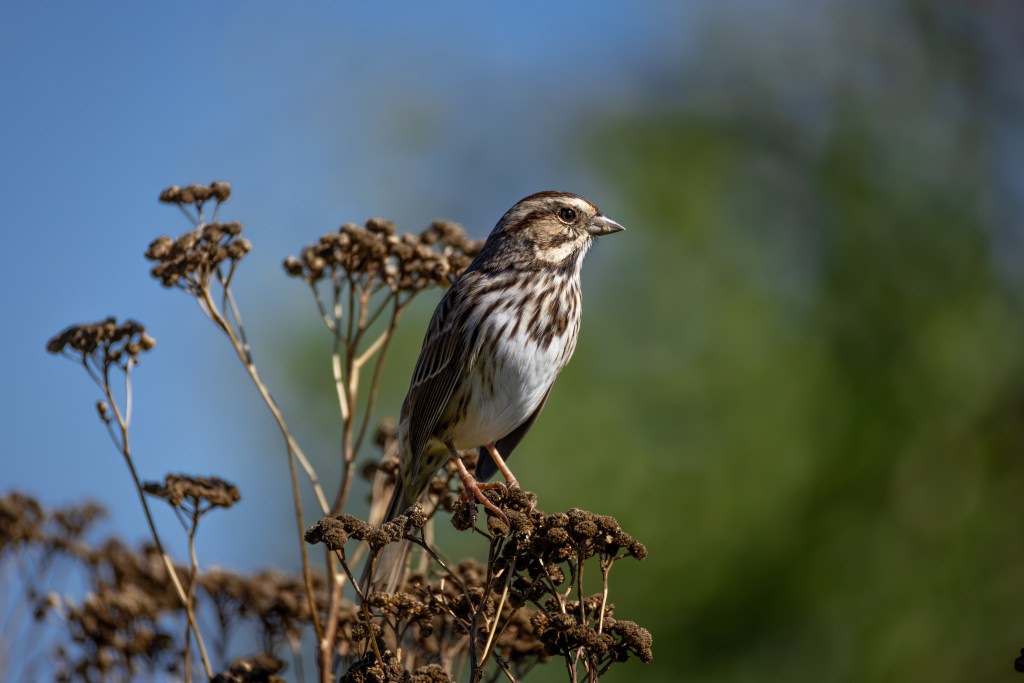
Song Sparrow (Melospiza melodia)
A very high quality photo by Steve at Gooseberry on September 8, 2025. SOSP02.
Spotted Sandpiper (Actitis macularius)
Lifer at Gooseberry Island, Westport, Massachusetts, on September 8, 2025
Tree Swallow (Tachycineta bicolor)
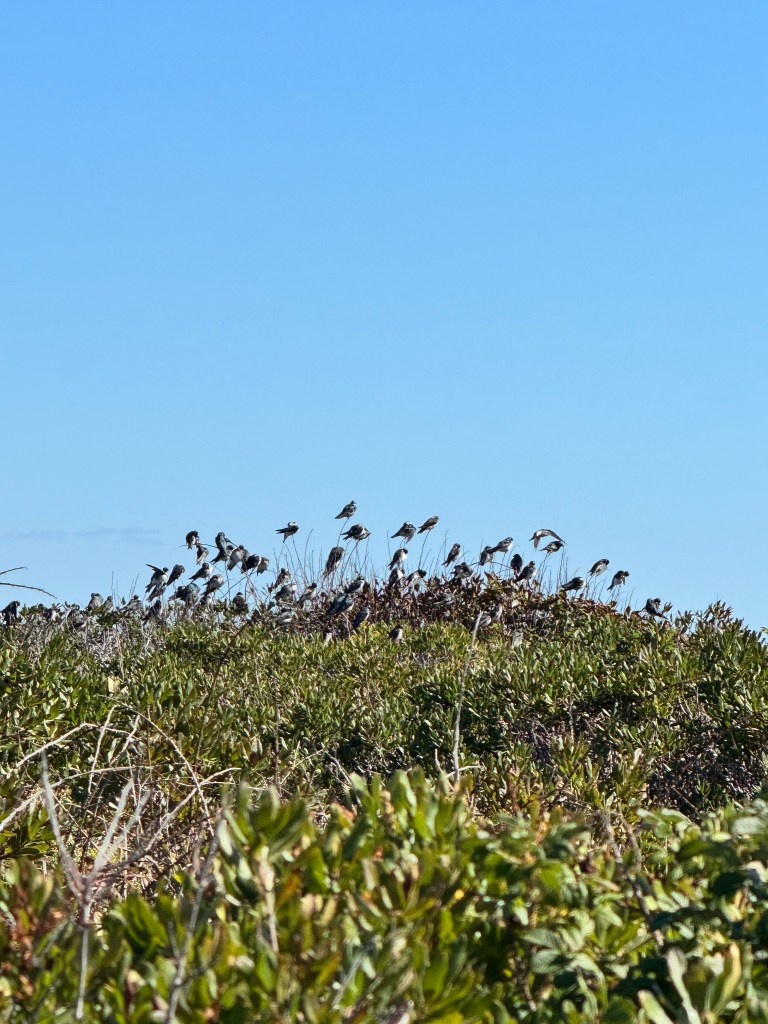
I only captured a few of the Tree Swallows that swarmed Sachuest on October 10, 2025. I’ve never seen such big flocks. They’d fly right over and around you too. TRES01.
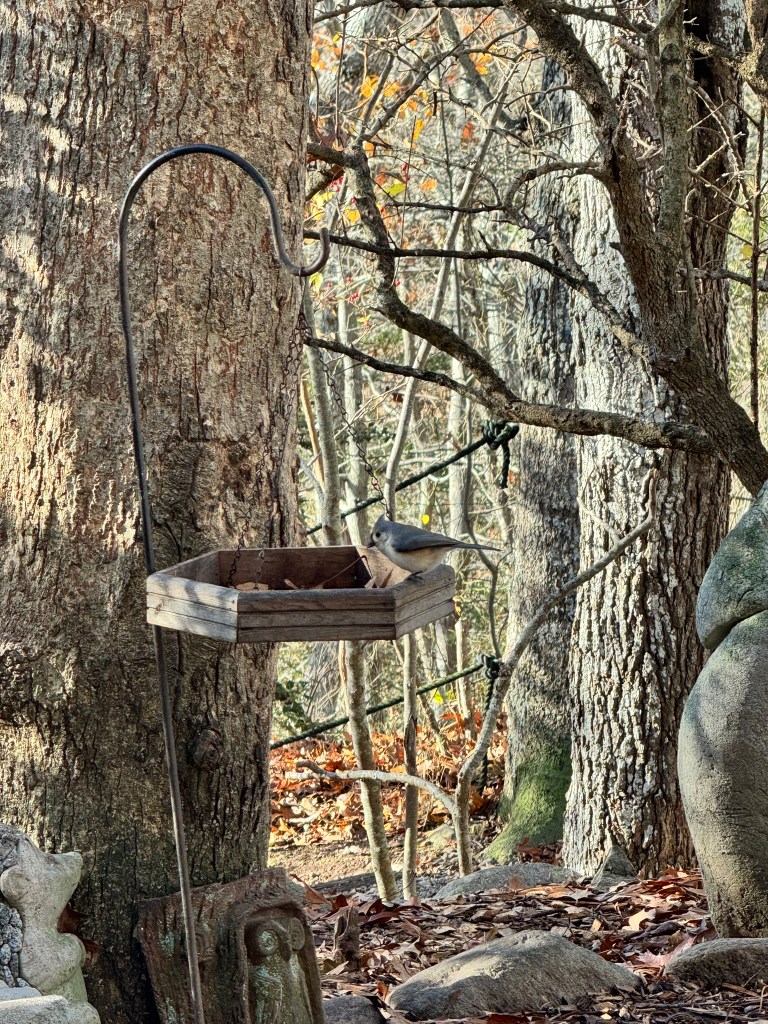
Tufted Titmouse (Baeolophus bicolor)
Photos from Birdfeeder Bench on November 23, 2025. ETTI01.
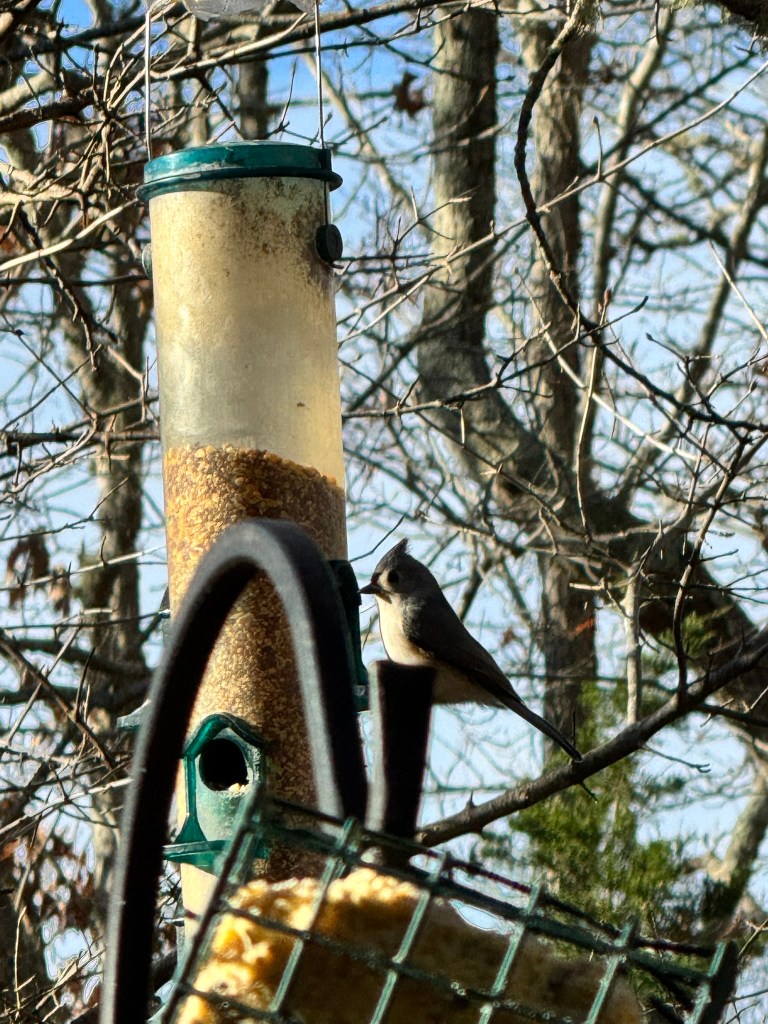
ETTI02.
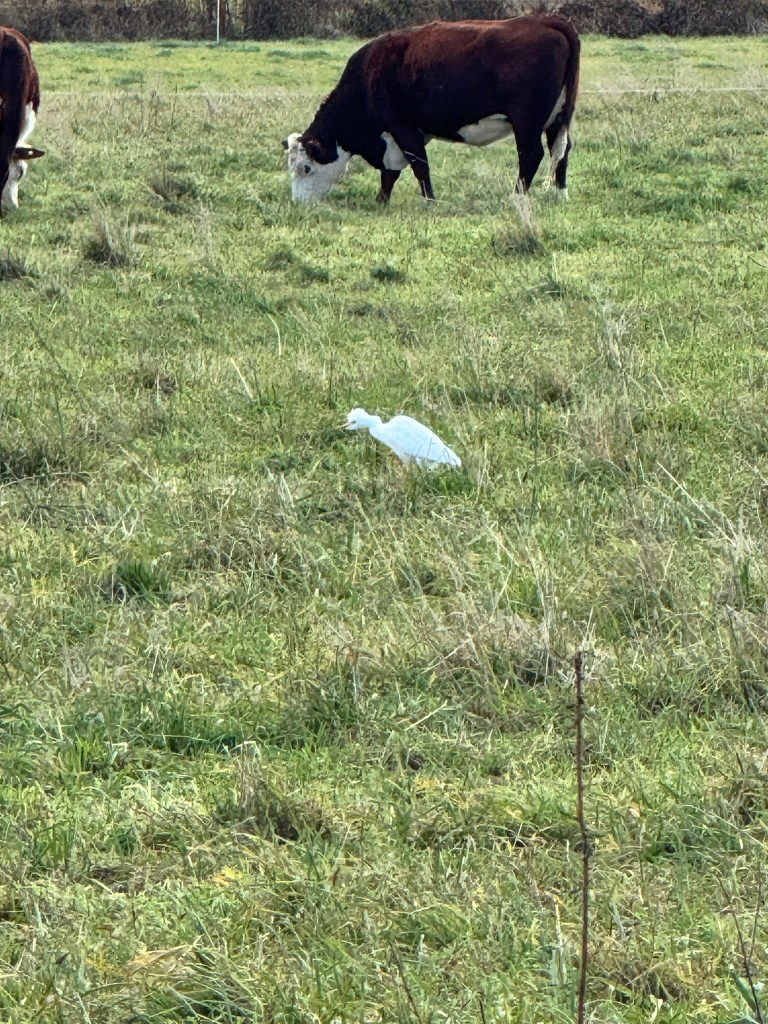
Western Cattle-Egret (Ardea ibis)
Pretty late in the season. Cold bird. Lifer at Ocean View Farm, Dartmouth, Massachusetts, on November 11, 2025. WECE01.
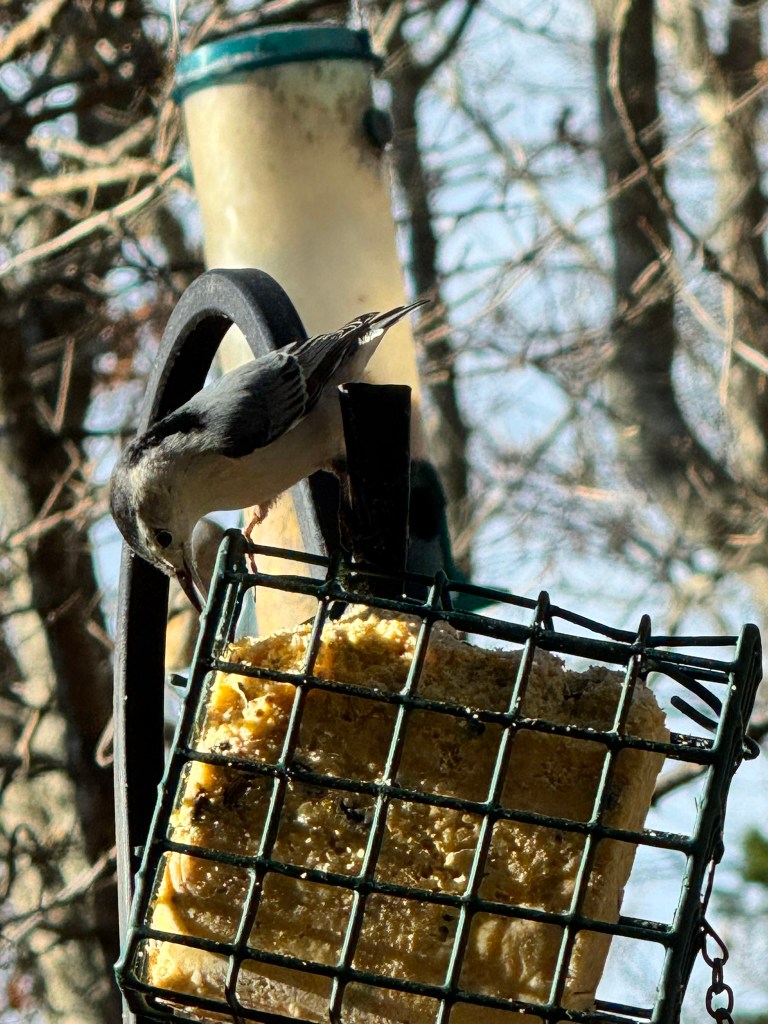
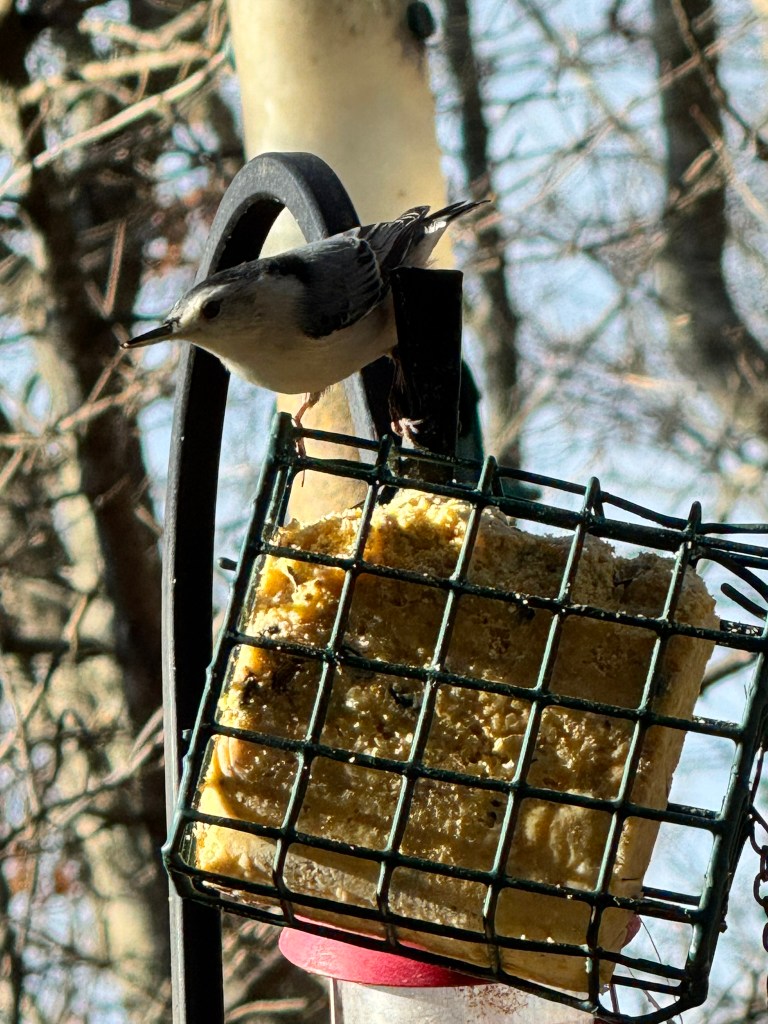
White-breasted Nuthatch (Sitta carolinensis)
Photos from Birdfeeder Bench on November 23, 2025. WBNU01.
WBNU02
Bird-related Art
N/A.
Animalia superflua
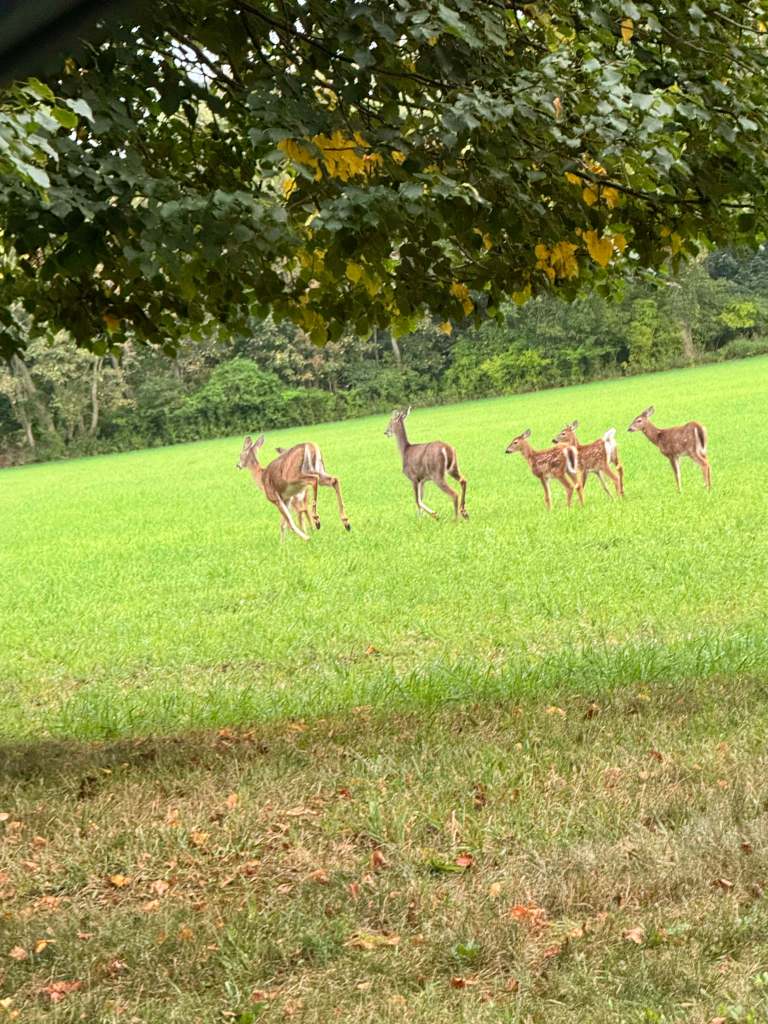
White-tailed Deer (Odocoileus virginianus)
Kept seeing two babies and their mom around the neighborhood. Then in some sort of Freaky Friday (Wednesday, September 17, 2025) scenario, two pairs of two babies and their two moms. DEER02.


Leave a reply to Birds Birds Birds – Birds Birds Birds Cancel reply